
Feb 9th 2026
4 Tips To Extend the Shelf Life of Freshly Prepared Meat
Every commercial kitchen manager knows how frustrating it feels to throw away expensive protein. Spoilage eats into your profit and causes unnecessary headaches when planning your menu. You invest in quality cuts to deliver the best meals to your customers, so seeing that investment end up as waste really stings. To help you protect your inventory and boost your bottom line, here are 4 tips to extend the shelf life of freshly prepared meat.
How Temperature Controls Freshness
Bacteria multiply fastest in the "danger zone"—between 40°F and 140°F. That’s why your team needs to move prepped ingredients into the walk-in cooler quickly. Just 20 minutes on a prep table can be enough for a steak or blend of ground meat to warm up past safe limits. Double-check that your refrigeration units hold a steady temperature under 40°F. A blast chiller cools bulk proteins quickly and safely. Consistent cold air circulation keeps bacteria in check and your ingredients safer, longer.
Keep It Cool While Processing
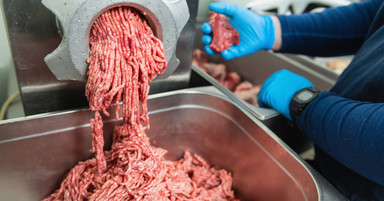
The way you process proteins affects how long they stay fresh. Every extra bit of friction adds heat, which can speed up spoilage. If you grind your own burgers or sausage, keep your equipment and meat cold at all times. Using a well-maintained industrial meat grinder ensures a clean, sharp cut through muscle and connective tissue. That equipment chops efficiently, avoids excess heat, and leaves proteins textured just right.
Seal Out Air for Longer Storage
Exposure to oxygen changes more than just color; it changes flavor and leaves meat vulnerable to bacteria. Vacuum sealing blocks air completely, protecting both taste and texture. Once the air is gone, you extend freshness by days, or even weeks, compared to wrapping in plastic alone.
Vacuum sealing also offers key benefits, such as:
- Preventing freezer burn on stored meats
- Holding in natural juices and flavors
- Improving shelf organization with stackable pouches
Use Acid and Salt for Protection
Across history, chefs have relied on salt and acid to keep meat from spoiling. Salt pulls out moisture, starving bacteria of what they need to grow. Acids lower the surface pH, making it harder for microbes to survive. While you shouldn’t count on curing or marinating as your only solution, a light brine or quick marinade can add a layer of defense and bump up the flavor.
Organize for Efficiency and Safety
If your inventory isn’t well organized, meat gets lost, forgotten, and wasted. Adopting the First In, First Out (FIFO) method is simple but effective. Label every container with both prep and use-by dates. Always place new batches behind older ones so the team grabs items in the right order. This helps keep products moving efficiently and cuts down on preventable spoilage.
Make Food Safety Your First Priority
The quality of your food speaks volumes about your business. Focusing on these tips to extend the shelf life of freshly prepared meat helps you keep customers safe, costs down, and food consistently top-notch.
Looking for ways to strengthen your prep line or refrigeration setup? Pro Restaurant Equipment stands ready with expert advice and proven solutions. Contact us today, and let’s ensure your kitchen runs efficiently and your ingredients stay at their absolute best.