
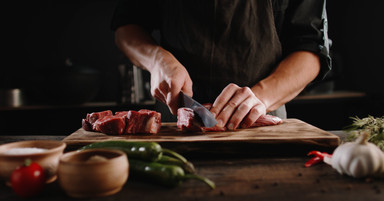
Dec 10th 2025
A Quick Guide to the Primal Cuts of Beef
Understanding beef’s fundamental components gives every kitchen a real edge. When you know your cuts, you can maximize value, maintain consistent quality, and serve up dishes that truly stand out. For chefs and restaurant owners, knowing how to work with the primal cuts of beef goes a long way toward building a standout menu.
Understanding the Primal Cuts
When a side of beef arrives in the kitchen, your team starts by dividing it into large sections known as primal cuts. These eight major cuts lay the groundwork for everything from steakhouse favorites to everyday roasts and specialty dishes. Each primal cut offers its own distinct texture and flavor, shaped by where it comes from on the animal and how much work that muscle has done.
Selecting Cuts for Your Menu
Knowing what sets each primal cut apart makes a real difference in your menu planning and food costs. When you understand the strengths of each section, you can choose the right cut for every dish and make the most out of every order.
- Chuck: This cut is flavorful but contains a lot of connective tissue. It is excellent for slow-cooking methods like braising, stewing, or creating ground beef for burgers.
- Rib: This tender, fatty cut is known for producing prime rib roasts and flavorful steaks like the ribeye. It is best for dry-heat cooking methods such as roasting and grilling.
- Loin: The loin is home to the most tender and desirable cuts. It is divided into the short loin (T-bone, porterhouse, strip steak) and the sirloin, which is slightly less tender but still versatile.
- Round: The round is lean and can be tough. It benefits from moist-heat cooking or being thinly sliced for dishes like London broil or roast beef.
Working With Brisket and Flank
Cuts from the lower portion of the animal bring their own unique character. Brisket comes from the chest and has earned its place in the world of barbecue thanks to its bold flavor and firm texture. Long, slow cooking transforms brisket into a meltingly tender, juicy centerpiece.
The plate and flank offer plenty of robust, beefy flavor, though their texture tends to be on the tougher side. Skirt steak, cut from the plate, shines in fajitas due to its rich taste and quick cooking time. Flank steak, prized for its leanness, also cooks up fast on the grill. Getting the most out of these cuts depends on how you prepare them. Using a commercial meat tenderizer machine goes a long way in breaking down dense fibers, which makes cuts like the round or flank tender, juicy, and ready for a broader array of menu options.
Applying Your Knowledge of Primal Cuts
When you understand the differences between each primal cut of beef, picking the perfect one for every dish becomes second nature. This know-how gives you more control over your inventory, helps you avoid waste, and keeps your customers coming back for more.
Ready to elevate your kitchen? Explore Pro Restaurant Equipment’s trusted selection of commercial-grade tools, prep equipment, and name-brand machines. We have everything you need to make every cut count.