

Mar 10th 2026
Best Practices for Portion Control in Restaurant Operations
Running a profitable kitchen takes more than great recipes and a full dining room. When portion sizes drift from the intended standard, food costs climb, inventory disappears faster than expected, and plates begin to look inconsistent. Understanding the best practices for portion control in restaurant operations helps owners keep costs predictable while protecting food quality.
Portion control involves more than measuring ingredients. It requires clear recipes, well-trained staff, and dependable tools that support consistency during busy service. When these systems work together, restaurants reduce waste, improve inventory planning, and deliver the same reliable plate every time.
Why Portion Control Matters for Restaurant Profitability
Portion control plays a direct role in food costs and overall kitchen efficiency. When servings run larger than planned, restaurants use more ingredients than their menu pricing allows. Over time, even small differences between the intended and actual portions can quietly eat away at margins.
Consistency also improves inventory management. When the kitchen team follows defined serving sizes, it becomes easier to predict how long ingredients will last. Purchasing decisions become more accurate, which reduces last-minute reorders and excess stock that may spoil.
Customers expect the same experience every time they order a dish. If a plate looks noticeably different from visit to visit, guests may question the restaurant’s reliability. Consistent portions help ensure each meal meets the same standards for presentation, flavor, and value.
Reliable portion control also improves forecasting. When kitchens know exactly how many servings come from a batch, managers can plan prep schedules and ingredient purchases with greater confidence. This predictability helps reduce waste and keeps service running smoothly during busy shifts.
Clear portion standards also make teamwork easier. When cooks understand the exact serving size for each dish, they move faster without stopping to estimate quantities. The result is a steadier workflow during peak service.
Establish Clear Standardized Recipes
Standardized recipes form the backbone of reliable portion control. A recipe should do more than list ingredients. It must clearly define quantities, preparation steps, and the expected serving size.
Detailed recipes remove guesswork in the kitchen. New staff members can follow the same process as experienced cooks, helping maintain quality across every shift. Clear instructions also simplify training and make it easier for managers to maintain consistent results.
Strong standardized recipes typically include several important elements:
- Exact ingredient measurements
- Defined portion size for each serving
- Preparation and cooking instructions
- Plating or presentation expectations
These details give the entire kitchen a shared reference point. When every cook follows the same structure, dishes stay consistent from prep through service.
Standardized recipes also support accurate menu costing. When yields and ingredient quantities are clearly defined, managers can calculate food costs with more confidence. This helps ensure menu prices reflect real ingredient usage.
Train Staff To Follow Portion Standards
Clear recipes only work when employees understand how to apply them. Staff training is essential for maintaining portion consistency across a restaurant operation.
During onboarding, demonstrate how each dish should be measured, plated, and served. Visual examples often stick better than written instructions alone. Hands-on training also helps employees become comfortable with portion tools and prep routines.
Managers should reinforce these expectations regularly. When employees understand how portion sizes affect food costs and menu pricing, they are more likely to pay attention to the details.
Visual references can make portion standards easier to follow. Posting photos of properly plated dishes at each station allows cooks to quickly confirm they are using the correct portions. These quick checks help prevent mistakes during busy service.
Short refresher sessions can also help keep teams aligned. A brief review before a shift, especially when introducing new menu items, reminds staff of exact portion expectations. This habit helps maintain consistency across different cooks and shifts.

Use Measuring Tools for Accuracy
In a high-volume kitchen, estimating portion sizes rarely works well. Measuring tools remove guesswork and help ensure every serving meets the intended standard.
Several tools help maintain consistent portion control during prep and service:
- Portion scoops for sides, grains, or salads
- Ladles with volume markings for soups and sauces
- Digital scales for weighing proteins and ingredients
- Portion-control spoons for toppings and garnishes
These tools improve accuracy while also speeding up service. When measurements are built into the workflow, cooks move faster without sacrificing consistency.
For restaurants producing larger volumes of food, reliable professional restaurant equipment helps support accurate portions. Equipment designed for commercial kitchens often produces more uniform results when slicing, mixing, or preparing batches of ingredients.
Design Menu Items With Portion Control in Mind
Smart menu designs make portion control easier for the kitchen team. Dishes built around measured components are far easier to repeat than items assembled by approximation.
When developing menu items, consider how each ingredient will be portioned during service. Pre-measured proteins, defined side portions, and standardized garnishes reduce variation from plate to plate. These details help maintain consistency even during busy shifts.
Batch preparation can also support portion control. Measuring ingredients carefully during prep allows cooks to assemble dishes quickly without estimating quantities during service.
Menu engineering also plays a role. Dishes that rely on ingredients that are easy to measure or portion help reduce variation. This approach helps protect both food quality and restaurant profitability.
Monitor Food Costs and Adjust Portions
Portion control requires ongoing attention. Ingredient prices change, menus evolve, and kitchen habits shift over time.
Reviewing food cost reports regularly helps identify dishes that may be drifting outside their intended margins. If a menu item consistently costs more than expected, portion sizes or ingredient ratios may need adjustments.
Managers should also observe plating during service. Even experienced cooks may gradually increase portions without realizing it. Periodic checks help reinforce standards and keep serving sizes aligned with menu pricing.
Routine menu reviews can also reveal useful patterns. Comparing ingredient usage to expected yields may highlight where portions are slipping. Addressing these issues early prevents small inconsistencies from becoming larger operational problems.
Support Consistency With the Right Kitchen Equipment
The tools used in a kitchen can have a major impact on portion consistency. Equipment designed for commercial foodservice helps restaurants produce uniform results across shifts and staff members.
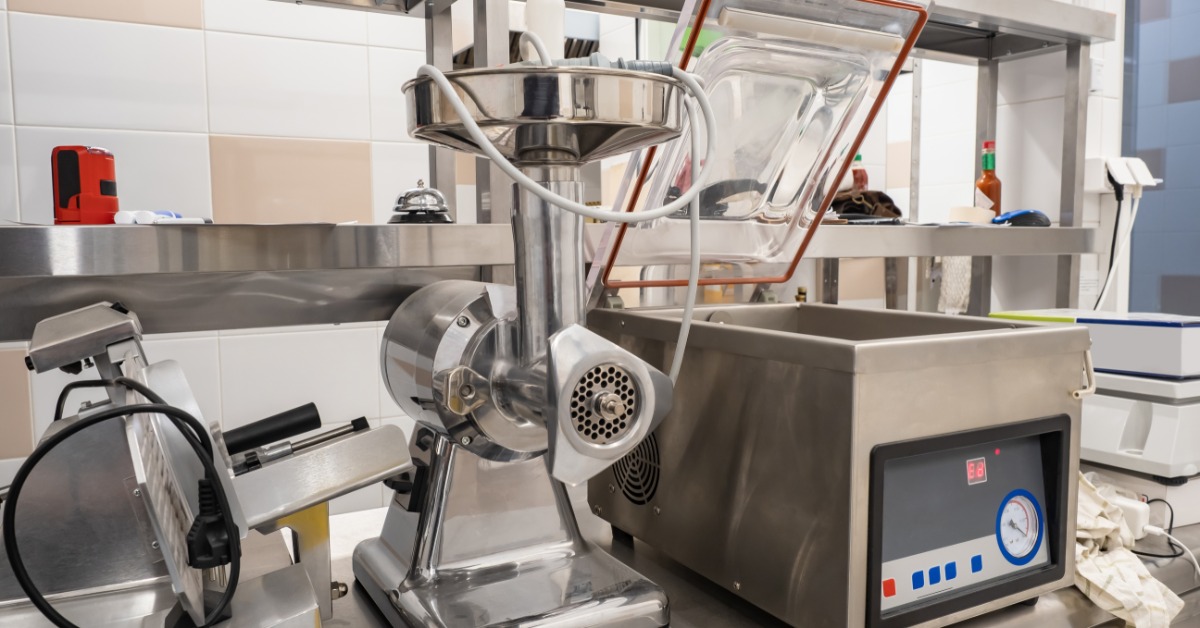
Commercial slicers create evenly sized cuts of meat or cheese, while mixers produce consistent doughs and batters. Reliable machines help eliminate variations that occur when tasks are handled entirely by hand.
As kitchens grow and production increases, dependable equipment becomes even more important. Tools designed for busy kitchens help maintain consistent results even when different staff members prepare the same menu items.
Building Long-Term Success Through Consistent Portions
Applying the best practices for portion control helps restaurants protect margins while maintaining quality. Clear recipes, trained staff, accurate tools, and thoughtful menu planning all contribute to reliable portion standards.
When these systems work together, kitchens reduce waste, manage food costs more effectively, and deliver consistent meals that keep customers satisfied. Over time, these improvements strengthen both operational efficiency and long-term profitability.
If you want to improve efficiency and consistency in your kitchen, Pro Restaurant Equipment offers dependable kitchen equipment built for demanding foodservice environments. Our team provides expert advice you can trust and helps you choose equipment that supports accurate portions, smoother workflows, and reliable results.