
Dec 3rd 2025
Best Practices for Storing & Handling Kitchen Equipment
Taking care of your kitchen equipment goes far beyond keeping things clean. It’s also about protecting your investment, keeping your team safe, and building a space where culinary magic happens. Whether it’s a powerful oven or a trusted whisk, every tool plays a role in your operation’s success. By following the best practices for storing and handling kitchen equipment, you set the stage for a kitchen that works as hard as you do. Reliable tools mean fewer disruptions, a lower risk of accidents, and more freedom for your staff to focus on crafting delicious results every shift.
Restaurant and bakery owners depend on lasting, high-performing equipment. The following advice helps you safeguard your tools and maintain a workspace that’s both organized and responsive to your needs. When you dedicate time and attention to how you handle and store your equipment, you foster an environment built for productivity and teamwork. Encouraging everyone to treat every piece of equipment with care leads to consistent results and a space where staff feel confident in their daily tasks.
Clean Every Item Completely Before Storage
Put each item away only after it’s spotless. Residual food, grease, and moisture can promote bacteria and wear out surfaces faster than you think. Disassemble each appliance based on the manufacturer’s instructions, so that you can reach every corner. Take the time to wash, rinse, and sanitize all parts, then inspect them to confirm nothing is left behind. When you need to use your equipment again, it’s ready to go—no time wasted.
Dry All Equipment After Washing
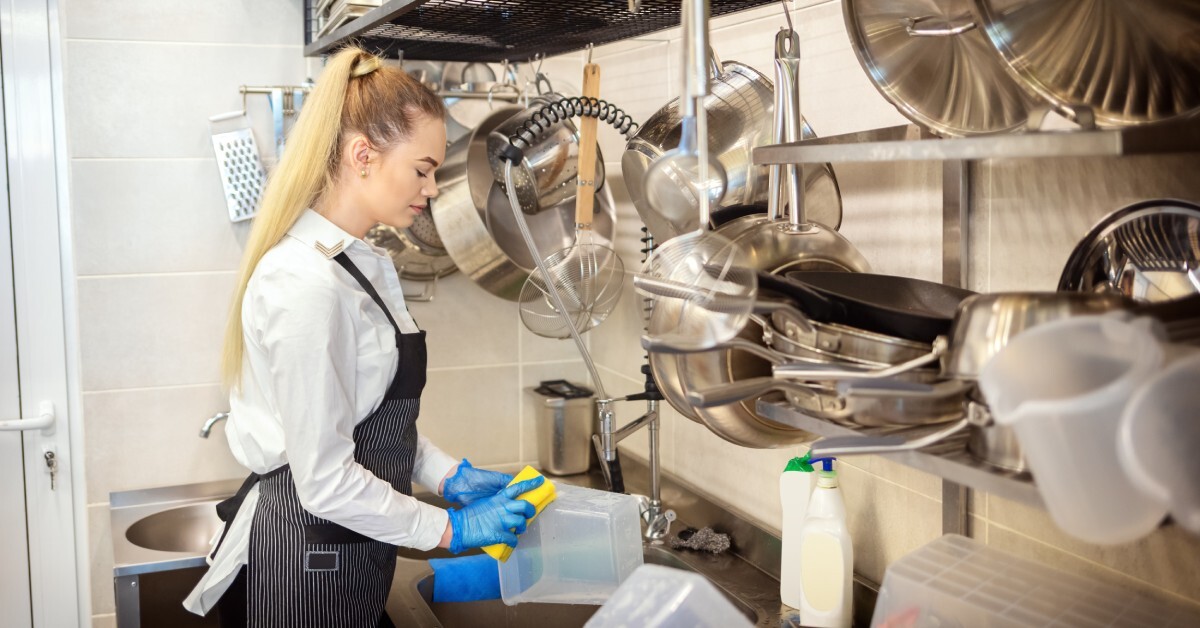
Moisture is harsh on most kitchen gear. Once you finish cleaning, confirm that every piece is completely dry. Let items air dry on a sanitized rack, or use fresh, lint-free towels for a thorough wipe-down. Make sure to dry those hidden crevices and joints where water gathers. Placing damp equipment in storage can lead to rust, mold, and potentially costly electrical failures. A little extra attention during drying can add years to your equipment’s lifespan.
Assign Storage Spaces for Everything
When kitchen organization breaks down, lost time and frustration pile up quickly. Give each tool its own spot. Label shelves, drawers, and cabinets clearly so staff members know where things belong. Arrange similar items together: for example, baking sheets and muffin tins in one area, ladles and tongs in another, and mixing bowls stacked neatly. Your teams will appreciate how easy it is to grab what they need, and you’ll always have a visual snapshot of your inventory. Introducing a color-coded system for storage zones streamlines restocking and equipment checks, making communication between shifts more efficient.
Take Advantage of Vertical Storage
Floor space disappears fast in a commercial kitchen, so look up. Wall-mounted shelves, overhead racks, and tall shelving units offer room for tools and dishes without crowding the workspace. Install heavy-duty shelves to support large pots or hefty mixers. When you store less-used items overhead, you clear prime countertop real estate for daily prep, and your kitchen processes stay streamlined and safe.
Store Sharp Tools Securely
Sharp objects demand an extra level of attention. Knives, slicer blades, and cutting attachments should always rest in safe, clearly marked spots. Use magnetic strips, sturdy knife blocks, or lockable cases for your blades. Sheath or guard sharp edges for double protection—your fingers will thank you, and your equipment will hold its edge longer. Small blades from food processors belong in labeled, hard-sided boxes. Detailed storage rules for sharp items prevent accidents and preserve your tools for long-term use. For further protection, review and update safety protocols regularly to address new tools or layout changes.
Sort and Organize Smallware and Utensils
Spend less time searching and more time cooking by organizing small tools: use drawer dividers, bins, and clear containers to corral everything from whisks to spatulas. A neat utensil drawer means the perfect tool is always within easy reach. With containers you can see through, it’s simple to tell at a glance when you’re running low on an item or need to restock. Maintaining this level of organization helps reduce waste and keeps your kitchen running efficiently.
Protect Fragile and Specialty Equipment
Some equipment requires a soft touch. Arrange glassware, ceramic pieces, and electronics where accidental knocks from other equipment won’t reach them. Line shelves with padded dividers or, if you have it, the original packaging. When it comes to specialty appliances, like a high-quality dough sheeter, store them in out-of-the-way spots so bumps and jolts won’t damage them or other equipment. A fitted cover helps guard against dust and spills, preserving sensitive parts for long-term use. Investing in specialized storage solutions for unique equipment saves both time and repair costs down the road.
Rotate Equipment Stock the Same Way You Do With Food
Apply the “first in, first out” mindset to your equipment. When you own several of the same items, such as baking sheets, pots, and pans, use and put away older ones first. This habit balances the workload on your equipment over time and prevents wear from gathering in one spot. It also keeps every piece performing at its best, shift after shift. Marking items with purchase or rotation dates can simplify this process for everyone on your team.
Refer to Manufacturer Instructions for Storage
No one knows your equipment like its manufacturer. Check the user manual for tailored storage instructions. Some units must stay in temperature-controlled areas or come apart before they are put away. Sticking to these recommendations keeps warranties valid and pushes your equipment to its peak life expectancy. Staying up-to-date with manufacturer updates or recalls can further protect your investment and give you added peace of mind.
Store Heavy and Wheeled Equipment Safely
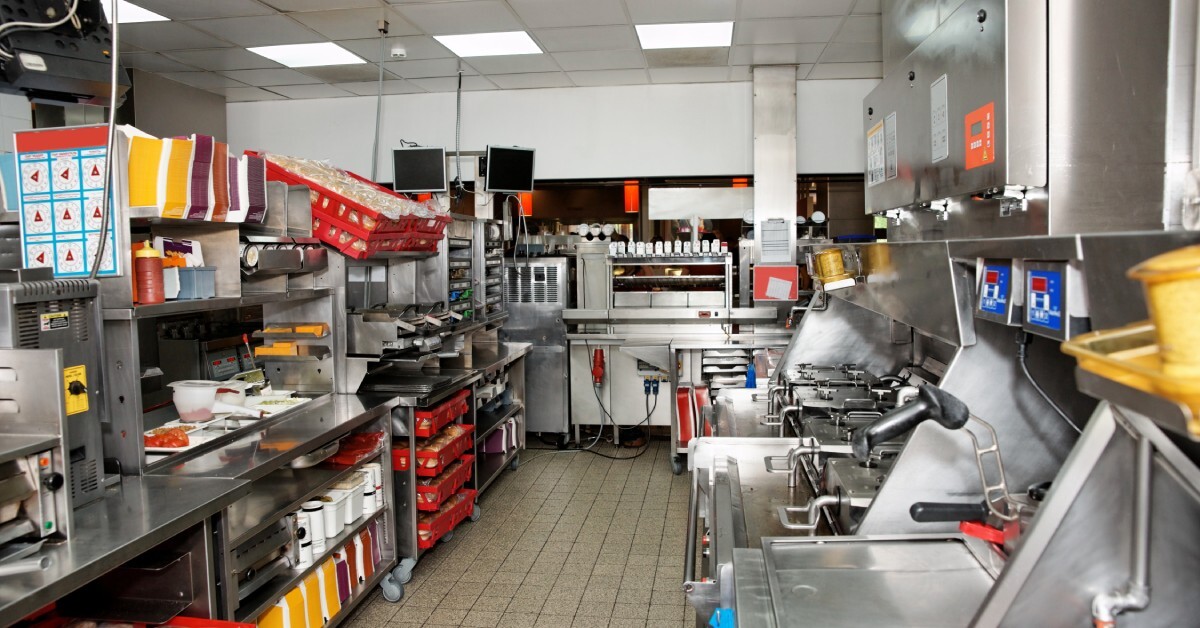
Larger equipment will require a little extra planning.
- Place heavy items low, where staff can reach them without risk.
- Lock mobile gear, such as carts, once they’re in their storage space to keep them from moving unexpectedly.
- Maintain a clear access path in your kitchen, so equipment goes in and out without a struggle.
Careful handling prevents injuries and protects valuable appliances from damage.
Develop and Enforce a Clear Handling Protocol
Successful kitchens never leave equipment care to chance. Develop and teach a handling protocol that covers how to move, operate, and put away every item in the kitchen. Provide regular training, hold everyone to the same standards, and reinforce the value of shared responsibility. Establishing these practices leads to a workplace where safety and care are habits, not afterthoughts. Recognize and reward staff who consistently follow protocols to foster pride in maintaining a top-tier kitchen.
By adopting these best practices for storing and handling kitchen equipment, you set high standards for professionalism and safety. Well-kept tools support every recipe, every service, and every satisfied customer who walks through your doors. Your kitchen equipment deserves nothing less.
If you need expert advice or support with your kitchen equipment, contact our team today. We’re ready to help with solutions tailored to your kitchen’s needs.