
Mar 17th 2026
Types of Steak Cuts and How To Tenderize Them
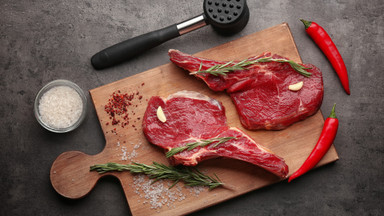
A great steak starts with choosing the right cut and preparing it properly. In busy commercial kitchens, the texture and flavor of a steak depend not only on the cut but also on how it’s handled during prep. Knowing how to tenderize various steak cuts helps restaurant operators deliver consistent results from every portion.
Some cuts are naturally tender, while others need a little extra preparation to perform well on the grill or in a pan. With the right techniques and reliable equipment, even tougher steaks can become flavorful menu items.
Learn the Most Common Steak Cuts
Different steak cuts come from different parts of the animal, and each area produces meat with its own texture and flavor. Muscles that do less work tend to be more tender, while harder-working areas develop stronger fibers that require more preparation before cooking.
Many commercial kitchens regularly work with cuts such as:
- A ribeye has rich marbling and a bold flavor, making this cut naturally tender.
- A filet mignon is exceptionally tender with a delicate texture.
- A New York Strip balances tenderness with a strong beef flavor.
- Flank steaks are lean and flavorful but noticeably firm.
- Skirt steaks are thin, bold in flavor, and commonly used in fajitas.
- A top sirloin is versatile and moderately tender.
Premium steaks like ribeye and filet mignon typically require little additional preparation. Leaner cuts such as flank or skirt steak often benefit from tenderizing to improve texture and bite.
Use Reliable Techniques To Tenderize Steak
Tenderizing works by breaking down muscle fibers and connective tissue. When done correctly, it helps tougher cuts cook more evenly and become easier to chew.
Commercial kitchens commonly rely on several preparation methods:
- Mechanical tenderizing: A professional meat tenderizer uses blades or needles to break down dense muscle fibers.
- Pounding: A meat mallet softens connective tissue and flattens thicker cuts.
- Marinating: Ingredients such as vinegar or citrus gradually break down proteins while adding flavor.
- Scoring: Shallow cuts across the surface shorten muscle fibers before cooking.
Mechanical tenderizing is especially helpful in high-volume kitchens. It provides consistent results and allows staff to prepare tougher cuts quickly without affecting flavor.
Match Tenderizing Methods to the Right Cuts
Not every steak requires the same preparation method. Naturally tender steaks like ribeye or filet mignon usually need minimal handling so their texture remains intact. Leaner cuts such as flank steak or sirloin respond well to tenderizing methods that soften the fibers before cooking.
Understanding the types of steak cuts and how to tenderize them gives you more flexibility when planning a menu and the ability to maintain quality while managing food costs.
Equip Your Kitchen for Success
The right prep tools make steak preparation faster and more consistent for busy kitchen teams. When tougher cuts are properly tenderized, they cook more evenly and deliver a better experience for customers.
If your kitchen handles large volumes of steak, reliable equipment can streamline the prep process. Pro Restaurant Equipment offers dependable commercial meat processing tools and expert advice you can trust. Explore our selection today to find solutions tailored to keep your kitchen efficient and consistent.