

Feb 10th 2026
What Is a Ghost Kitchen and How Does It Work?
Delivery and takeout have reshaped how many customers order food, and restaurant owners are adapting along with them. Ghost kitchens focus entirely on delivery and takeout, eliminating the need for dining rooms and front-of-house staff. Instead of investing in front-of-house service, ghost kitchens concentrate on production and packaging for delivery and pickup. Understanding what ghost kitchens are and how they operate helps restaurant owners determine whether this approach aligns with their business goals and budget.
How Ghost Kitchens Operate Day to Day
A ghost kitchen is a professional food preparation space built specifically for delivery and takeout. There is no customer-facing storefront, dining area, or waitstaff involved. Orders arrive through online channels, and the kitchen focuses entirely on producing, packaging, and handing off meals for delivery or pickup.
Day-to-day success relies on systems that can be repeated without friction. Prep must stay organized, tickets must move quickly, and packaging must protect food during delivery. Since customers never see the kitchen, the food inside the bag carries the full weight of the brand experience.
How Ghost Kitchens Differ From Traditional Restaurants
The biggest difference comes down to how they spend money and focus their attention. Traditional restaurants invest heavily in seating, décor, utilities, and front-of-house labor. Ghost kitchens redirect those resources toward production, digital ordering, and equipment that supports steady output.
Workflows also follow a different rhythm. Instead of pacing service around table turns, ghost kitchens pace production around order volume and delivery timing. That shift makes layout, prep flow, and station placement far more important than ambience or presentation.
How Ghost Kitchens Generate Orders and Revenue
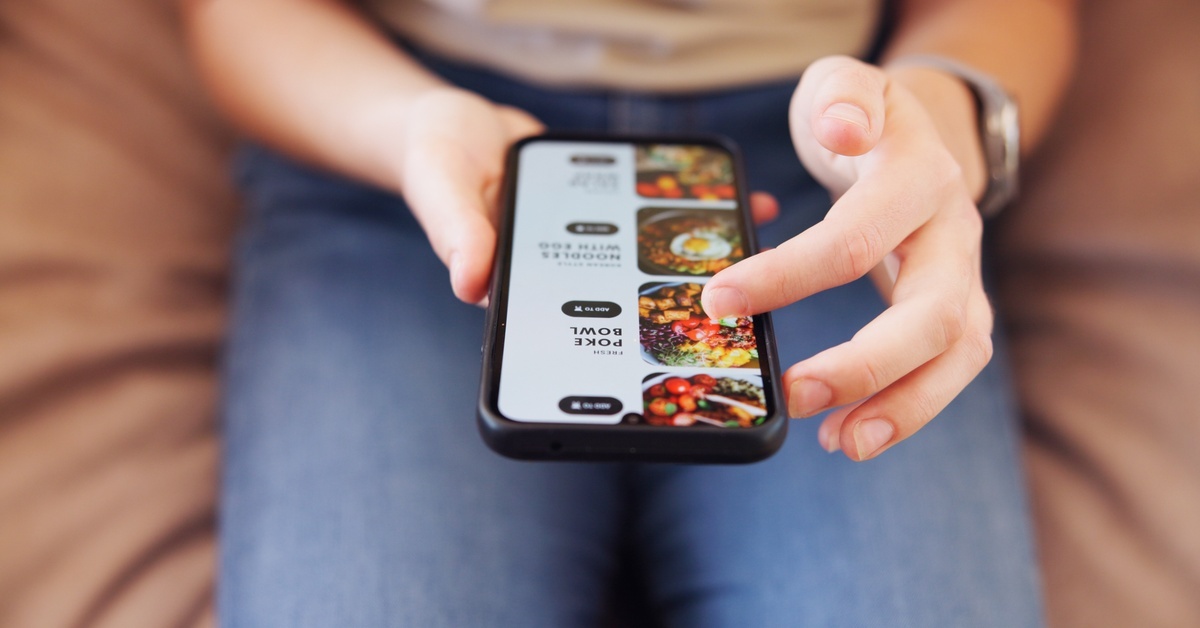
Ghost kitchens depend on digital ordering to drive sales. Delivery platforms often provide the initial exposure, while direct ordering through a brand website helps reduce commission fees over time. Clear menus, accurate prep times, and strong reviews all play a role in staying competitive online.
Since there is no in-person interaction, consistency matters more than ever. Orders need to be correct, packaged well, and ready when drivers arrive. Even small mistakes can affect ratings and future visibility in crowded delivery marketplaces.
How Different Businesses Use Ghost Kitchens
Ghost kitchens are used by more than just first-time operators. Some are built around a single concept, while others support multiple brands in one facility. The model can adapt to different business goals and stages of growth.
Common use cases include:
- Restaurant owners expanding into new delivery zones without opening a dining room
- Entrepreneurs launching virtual brands with a smaller footprint
- Catering businesses adding delivery menus during slower periods
- Established groups testing new cuisines or limited-time offerings
Each approach works best when the menu and equipment match expected order volume. Without the right setup, strong marketing alone cannot offset slow production or inconsistent execution.
How Layout and Workflow Support Speed
In a ghost kitchen, layout is not about presentation; it is about movement. A functional setup reduces backtracking, keeps cold storage close to prep, and has cooking stations near packaging. Food should move forward through the kitchen with as few interruptions as possible.
Workflow planning also needs to account for peak demand. Clear landing zones for incoming orders, organized shelving for completed bags, and dedicated packing space help prevent congestion. These details matter most when drivers arrive in waves and orders keep coming in.
How Equipment Impacts Ghost Kitchen Efficiency
Ghost kitchens succeed or struggle based on throughput and consistency. Equipment must handle repetitive tasks without slowing down, especially when multiple brands share the same line. Reliable commercial equipment also reduces downtime, which is critical during high-volume periods.
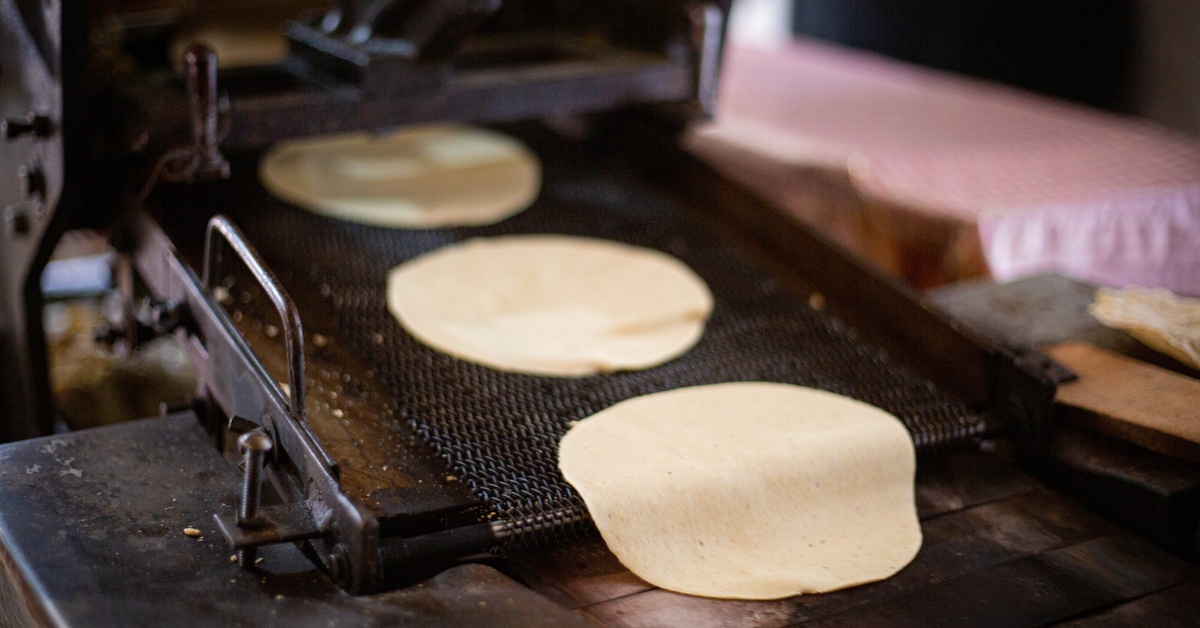
Most kitchens prioritize cooking equipment sized for peak demand, prep tools that reduce manual strain, and refrigeration for ingredients and order staging. If your menu contains multiple items using tortillas, a commercial tortilla press helps maintain uniform size and thickness while keeping prep moving during rushes. Once owners understand how ghost kitchens work, equipment becomes a production tool, not just a line item.
How Staffing Works in Ghost Kitchens
Ghost kitchens typically operate with leaner teams than full-service restaurants. Without servers or hosts, labor focuses on prep, cooking, packing, and order accuracy. Many teams cross-train so staff can shift between stations as order volume changes.
Scheduling is often based on data rather than guesswork. Delivery platform analytics help identify peak hours, allowing managers to staff up when needed and scale back during slower windows. This approach helps control labor costs while protecting speed and consistency.
How Technology Ties the Operation Together
Technology plays a central role in most ghost kitchens. Orders may arrive from several platforms at once, and without a clear system, it is easy for delays or missed items to pile up. Clean ticket flow keeps production on track.
Many kitchens use point of sale (POS) systems that combine multiple ordering channels into one view. Kitchen display systems (KDS) help prioritize orders and reduce confusion during busy periods. Clear labeling and standardized packing steps further support accuracy when volume spikes.
How Regulations Apply to Ghost Kitchens
Ghost kitchens are held to the same food safety standards as traditional restaurants. Local health departments regulate sanitation, food handling, ventilation, and equipment requirements. Licensing and permitting can vary, especially for shared or commissary kitchens.
Operators must also manage labeling and allergen communication carefully. That includes clear ingredient disclosures and proper packaging for delivery. Working in a licensed commercial kitchen helps, but it does not replace the need to understand local rules.
How Challenges Affect Ghost Kitchen Operations
Lower overhead does not mean fewer challenges. Delivery platforms are competitive, and visibility often depends on reviews, speed, and consistent execution. Commission fees can also pressure margins if brands rely too heavily on third-party apps.
Operational issues can surface quickly. Equipment failures, staffing gaps, or inefficient layouts can disrupt order flow in minutes. Strong processes and dependable equipment help protect the operation when the demand is unpredictable.
How To Set Up a Ghost Kitchen for Sustainable Growth
A successful ghost kitchen is built like a production facility, not a shortcut. Menus should travel well, layouts should support movement, and the equipment should match the jobs repeated all day. Packing standards and clear workflows help maintain consistency under pressure. When the foundation is solid, ghost kitchens can scale without adding dining room costs.
If you are planning or upgrading a ghost kitchen, Pro Restaurant Equipment offers name-brand commercial equipment and expert advice you can trust. Reach out for help selecting solutions that match your menu, volume, and production goals.