
Sep 16th 2026
5 Tips for Preparing Meat for the Smoker
A smoker can only do so much if the meat goes in unevenly trimmed, poorly portioned, or improperly seasoned. Good results start at the prep table, where small differences can carry through the entire cook. Properly preparing meat for the smoker gives your team a better chance of getting the flavor and texture you want from each batch.
Trim With the Finished Dish in Mind
Start by removing silverskin and loose edges that may cook differently from the rest of the cut. Leave the amount of fat your recipe needs instead of trimming every piece the same way out of habit. A cleaner, more even shape is easier to season and arrange in the smoker.
Portion Similar Cuts Consistently
When possible, keep portions close in thickness and overall size. Similar pieces are easier for staff to organize into batches and monitor throughout smoking. That consistency can also make prep easier to manage when the kitchen gets busy.
Tenderize Only When the Cut Needs It
Not every cut benefits from mechanical tenderizing, so match the method to the meat and the finished dish. For tougher portioned cuts that call for this step, a professional meat tenderizer can break down dense muscle fibers and help staff create a more uniform texture. Follow your established food safety procedures whenever you mechanically tenderize meat.
Apply Seasoning Evenly
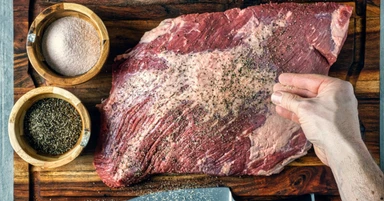
Spread dry rubs or other seasonings across the exposed surface instead of concentrating them in one area. Even coverage helps your kitchen keep flavor more consistent from portion to portion. Build seasoning time into your normal prep schedule rather than squeezing it in just before loading the smoker.
Give Each Piece Enough Space
Avoid packing cuts tightly together when you load the smoker. Leaving space around each piece lets heat and smoke move more freely around the meat. Follow the smoker manufacturer’s loading guidance so the equipment stays within its intended capacity.
As you prepare meat for the smoker, think about what happens after each piece leaves the prep table. A consistent loading pattern makes batches easier to track and helps staff spot differences before the meat reaches customers.
How Does Better Prep Pay Off in the Smoker?
Good smoked meat depends on more than what happens during the cook. Careful trimming, consistent portions, appropriate tenderizing, and even seasoning give your team a dependable starting point. When prep follows the same standards from batch to batch, the rest of the process becomes easier to manage during a busy shift.
If smoked meats are a regular part of your menu, the right prep equipment can help your team handle the work more efficiently. Pro Restaurant Equipment offers name-brand commercial meat processing equipment at competitive warehouse pricing, along with expert guidance to help you compare options for your kitchen and production needs. Contact our team for help finding equipment that fits the way your kitchen prepares and serves smoked meats.