
Aug 16th 2026
A Quick Guide to Ground Beef Food Safety
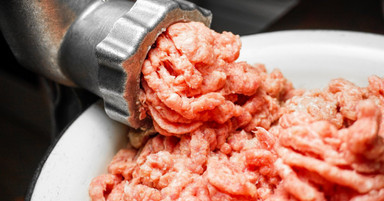
Grinding beef in-house gives your kitchen more control over freshness, texture, and custom blends. It also brings added food safety responsibilities because bacteria on the meat’s surface can spread throughout the finished product. A quick guide to ground beef food safety helps your team handle each batch carefully from prep through service.
How Can You Keep Ground Beef Safe During Preparation?
Food safety starts before the meat reaches the grinder. Keep raw beef refrigerated at 40 degrees Fahrenheit or below, and remove only what your staff can process promptly. Limiting time at room temperature helps slow bacterial growth and keeps the meat in better condition for grinding.
Grinding can also create heat through friction. Chill the meat before processing, and prepare grinder components according to the manufacturer’s instructions. Work in manageable batches so the ground beef can return to refrigeration without unnecessary delays.
How Can You Prevent Cross-Contamination?
Raw ground beef can transfer bacteria to hands, utensils, work surfaces, and ready-to-eat foods. Use a designated prep area when possible, and keep raw meat away from ingredients that will not be cooked before serving.
Build these steps into your sanitation routine:
- Wash hands before and after handling raw beef.
- Use clean utensils and food-safe containers.
- Disassemble and clean the grinder after each production session.
- Sanitize nearby counters, handles, and other frequently touched surfaces.
Always follow the manufacturer’s cleaning instructions. Some grinder components may require hand-washing or other specific care to remain safe and functional.
How Can You Handle Ground Beef After Grinding?
Safe handling does not stop once the grinding is finished. Cook ground beef to an internal temperature of 160 degrees Fahrenheit, and check the thickest portion with a calibrated food thermometer. Color alone is not a reliable sign that the meat has reached a safe temperature.
Refrigerate freshly ground beef promptly and follow your kitchen’s established storage procedures. Label containers clearly, use the first in, first out method, and discard products that were stored or handled improperly. Keeping these ground beef food safety practices consistent helps protect customers and keeps your prep routine organized.
How Can the Right Equipment Support Safer Prep?
Good habits and dependable equipment work together in a busy kitchen. An industrial meat grinder with the right capacity for your workload can support a smoother routine, especially when components are easy for your staff to access and clean.
Pro Restaurant Equipment offers commercial meat-processing equipment from trusted brands, along with expert guidance and competitive pricing. Browse our available grinders or contact our team for help finding a machine that fits your kitchen’s production needs.