

Jul 30th 2026
Batch Mixing vs. Continuous Mixing for Commercial Bakeries
Every bakery depends on consistent mixing. Dough texture, batter structure, timing, and labor flow all start in the mixing area. For bakery owners trying to keep production steady without sacrificing quality, choosing between batch and continuous mixing can shape the whole workflow. The right choice depends on your menu, production volume, space, and growth plans.
How Batch Mixing Shapes Flexible Production
Batch mixing is the familiar option for many bakeries. Your team loads ingredients into a bowl or mixer, runs one recipe at a time, removes the finished mix, and starts the next round. This setup gives operators strong control over each batch.
That control matters when your bakery makes several products in one day. A team can move from bread dough to cake batter without being locked into one long run. For bakeries that rotate menus or take custom orders, batch mixing keeps the workflow adaptable.
If a dough looks too dry or a batter needs more mixing time, your staff can respond before the next batch starts. That hands-on control can protect quality when ingredients or humidity shift. It also gives your team a clean stopping point before switching to the next recipe.
Batch mixing often works well for:
- Small and midsize bakeries with varied menus
- Wholesale bakeries with changing daily orders
- Cottage bakeries scaling into commercial production
- Restaurants that make bread or desserts in-house
How Continuous Mixing Shapes High-Volume Output
Continuous mixing is built for steady production. Instead of making one batch at a time, ingredients feed into the system at a controlled rate. The mixed product then comes out continuously, which helps bakeries that produce large volumes of the same dough or batter.
The biggest advantage is consistency across long runs. Once the system is set up correctly, it can maintain the same ratio and timing throughout production. That can reduce variation when a bakery needs repeatable results hour after hour.
This setup is not the best fit for every operation, though. It usually makes more sense when the bakery has a stable product line and enough volume to justify the system. If recipes change often, setup and cleaning demands may offset the production benefits.
How Bakery Menus Shape the Best Choice
Your menu should lead the decision. A bakery that makes sandwich bread every day has different mixing needs than a bakery that produces pastries and seasonal cakes. The more varied your menu is, the more valuable flexibility becomes.
Batch mixing gives your team room to switch between recipes. That makes it easier to handle special orders or adjust production based on demand. It also supports careful separation between recipe types when cleaning procedures are followed.
Continuous mixing fits better when the menu is focused and predictable. A bakery producing one dough at scale may benefit from a system that keeps output steady. The process works best when recipes do not require constant changeovers.
That is why the right choice comes down to fit. A commercial bakery with a flexible menu may benefit from batch production, while a high-volume operation may need the steady rhythm of continuous mixing.
How Production Volume Shapes the Best Choice
Volume matters because mixing equipment should match daily demand. If your team waits on mixing before shaping or proofing can begin, the mixer may be limiting production. If your mixer sits idle most of the day, a larger system may not bring enough value.
Batch mixing can still handle serious volume when sized correctly. Larger bowl capacities and stronger motors help bakeries scale without moving into a continuous system. For many operators, upgrading to the right commercial mixer is the practical middle ground between small-scale equipment and a fully automated line.
Continuous mixing becomes more attractive when demand is steady enough to keep the system running efficiently. It can reduce downtime between batches and support a more predictable production rhythm. However, it may require more planning around sanitation and product changeovers.
How Equipment Fit Shapes the Best Choice
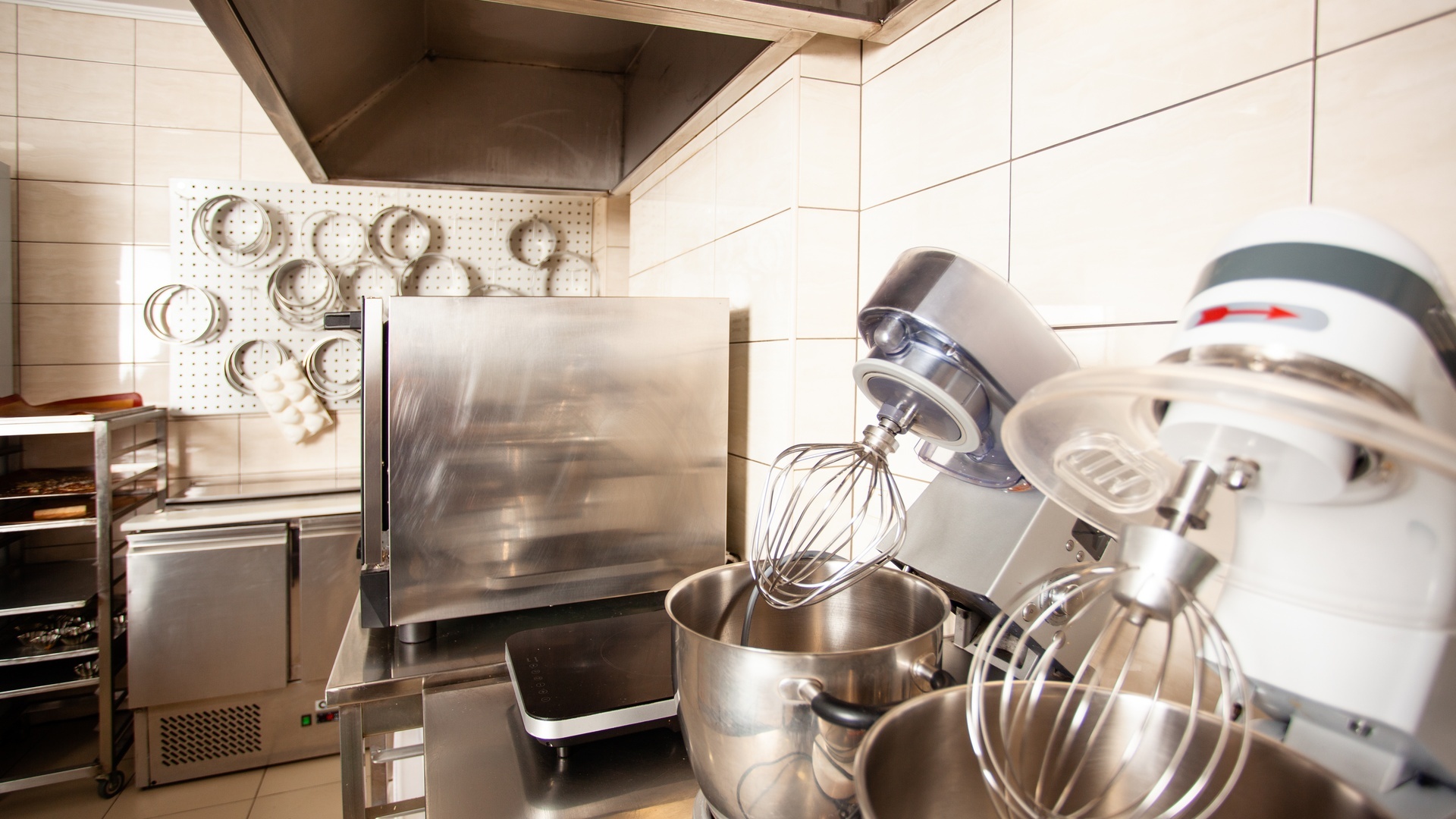
Equipment fit is about more than bowl size. A mixer needs to support your product texture and ingredient load. Dense doughs demand more power than light batters, and frequent recipe changes require easy cleaning.
Planetary mixers are common in bakeries because they can handle different attachments and product types. Spiral mixers are often preferred for dough because they mix efficiently while helping develop structure. Continuous systems require a different level of planning.
They may involve ingredient metering, which controls how much of each ingredient enters the mixer. That can be useful in high-output facilities but excessive for bakeries that need daily variety. The best equipment should feel like part of the workflow, not a new obstacle. That fit keeps daily production smoother.
When comparing equipment, focus on practical factors such as:
- Bowl or output capacity for peak production
- Motor strength for dense doughs and heavy use
- Footprint and clearance in the production area
- Cleaning requirements between recipes or shifts
- Operator training needs for safe daily use
- Service access for routine maintenance
How Growth Plans Shape the Best Choice
Today’s production needs are important, but tomorrow’s plans matter as well. A bakery preparing for wholesale accounts may need more capacity than it needs right now. A restaurant adding brunch pastries may need versatility more than speed.
Batch mixing can be a smart growth step because it lets owners expand production without committing to a highly specialized system. A properly sized mixer can support menu development and larger batches while keeping operations manageable. That balance matters when demand changes by season.
Continuous mixing can make sense when a bakery has a clear path toward larger, repeatable production. If demand is consistent and the product line is stable, the investment may support a more efficient long-term operation. The key is confirming that the volume and facility layout both support the move.
Avoid choosing equipment based only on the busiest week of the year. A system should serve regular production while still helping during peak periods. That balance protects both budget and kitchen efficiency.
How Smart Mixing Choices Support Better Baking
Batch and continuous mixing each have a place in commercial baking. Batch mixing offers control and flexibility for bakeries with varied menus. Continuous mixing supports steady output when production is consistent and high-volume.
The right choice comes down to your recipes, demand, space, staffing, and growth goals. Pro Restaurant Equipment offers name-brand bakery equipment, competitive warehouse pricing, and expert advice you can trust. Browse our selection or contact our team for help comparing mixing options that fit your bakery’s production needs.