
Nov 6th 2026
Cake Size and Servings Guide: Everything You Need to Know
Determining the correct cake size can make a big difference when fulfilling bakery orders or planning desserts for an event. A cake that looks generous on display might not provide enough slices for everyone, and an oversized cake can leave you with unnecessary leftovers. The amount of servings comes down to the cake's dimensions, shape, and how you plan to cut it. With this cake size and servings guide, understand these factors to meet customer expectations while keeping ingredient costs under control.
What Determines How Many Servings a Cake Provides?
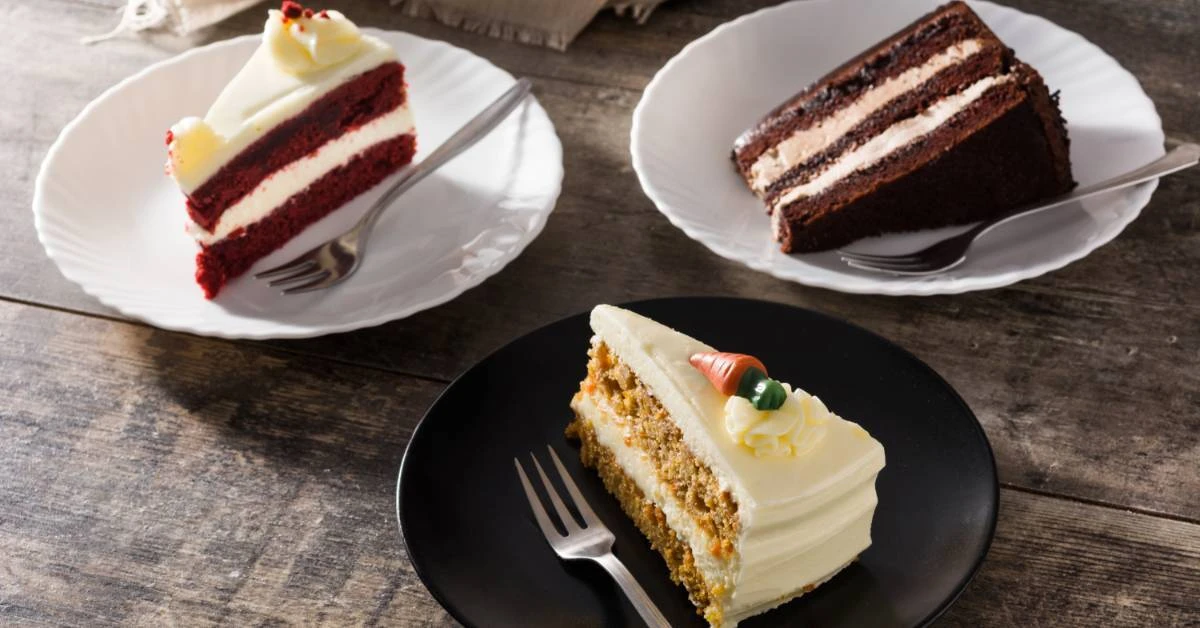
Cake diameter offers a useful starting point, but it doesn't tell the whole story. The cake's height and the size of each slice also influence how many people it can serve. For example, a tall, layered cake might offer more portions than a shorter cake with the same diameter. Before choosing a pan, consider the occasion and how much cake each guest will likely want.
The type of event matters just as much as the cake itself. A wedding reception with several dessert options might call for smaller slices, while a birthday party with cake as the only option often requires larger portions. Bakeries should discuss these expectations with customers before confirming an order. Clear serving estimates help prevent confusion when customers arrive to collect their cakes.
What Are the Standard Cake Serving Sizes?
Most professional cake-serving charts distinguish between party slices and finger slices. Finger slices measure approximately 1 inch wide and 1 inch deep, while party slices measure roughly 1 inch wide and 2 inches deep. Both measurements refer to the slice's footprint rather than its height. These standards give bakers a consistent way to estimate portions across different cake sizes.
Finger slices
Finger slices work well for weddings, corporate gatherings, and events that offer multiple desserts. Their smaller dimensions allow caterers to serve more guests without preparing additional cakes. These portions also suit celebrations where guests prefer a modest dessert after a full meal. Bakers can use precise cutting patterns to maintain consistent portions throughout service.
Party slices
Party slices provide a more substantial dessert portion for birthdays and other casual celebrations. Their larger size gives guests more cake, particularly when the event doesn't include additional sweets. However, cutting larger portions reduces the total amount of servings from each cake. Choosing a serving style before production helps bakeries recommend suitable cake dimensions.
How Many People Does a Round Cake Serve?
Round cakes remain a popular choice for birthdays, anniversaries, and formal celebrations. Their familiar shape works well with layered designs and decorative frosting techniques.
That said, their curved edges require a thoughtful cutting approach to achieve consistent portions. Larger round cakes generally provide more servings, although the final count depends on slice dimensions. The following estimates offer a practical starting point for common round cake sizes:
- 6-inch: Approximately 20 finger servings or 12 party servings.
- 8-inch: Approximately 40 finger servings or 24 party servings.
- 10-inch: Approximately 60 finger servings or 35 party servings.
- 12-inch: Approximately 80 finger servings or 50 party servings.
- 14-inch: Approximately 100 finger servings or 60 party servings.
- 16-inch: Approximately 130 finger servings or 75 party servings.
A round 8-inch cake, for example, can provide approximately 24 party slices or 40 smaller finger slices. This difference demonstrates why bakeries should specify portion sizes rather than advertise a single serving count. Customers may expect generous wedges even when a bakery calculates servings using smaller cuts. Communicating the cutting method helps everyone understand what the cake will provide.
How Many Servings Come From a Square Cake?
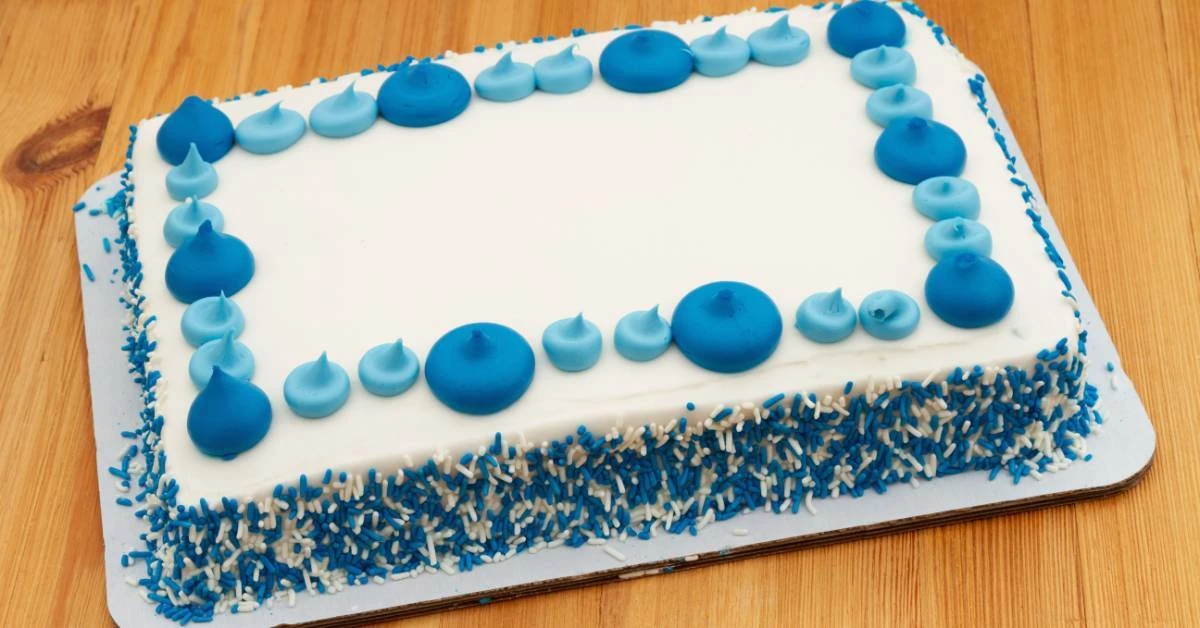
Square cakes usually provide more servings than round cakes of comparable dimensions. Their straight edges make portioning easier because bakers can follow a simple grid pattern. This shape also provides additional surface area for decorations or personalized messages.
Many bakeries recommend square cakes when customers want to maximize servings without adding another tier. The estimates below illustrate how square cakes accommodate different serving requirements:
- 6-inch: Approximately 36 finger servings or 18 party servings.
- 8-inch: Approximately 64 finger servings or 32 party servings.
- 10-inch: Approximately 100 finger servings or 50 party servings.
- 12-inch: Approximately 144 finger servings or 72 party servings.
- 14-inch: Approximately 196 finger servings or 98 party servings.
- 16-inch: Approximately 256 finger servings or 128 party servings.
These figures provide useful benchmarks rather than guaranteed serving totals. Frosting thickness, cake height, and cutting technique can affect the final portions. For instance, square cake that's 8-inches offers approximately eight more party servings than a round cake that's 8-inches. That difference may help a bakery accommodate a larger guest list without increasing the cake's dimensions.
How Do You Choose the Right Cake for Your Event?
Selecting the correct cake involves more than matching a serving chart to the guest count. A practical cake size and servings guide should also account for the event's atmosphere and dessert menu.
Consider whether guests will receive individual plated servings or select their own portions from a dessert table. The answers can help determine whether smaller or larger slices make sense. Before recommending a cake, bakers should discuss several details with customers:
- Guest count: Confirm the expected attendance and account for any additional guests.
- Dessert options: Consider whether guests will enjoy other sweets alongside the cake.
- Serving preference: Determine whether the event calls for finger slices or party slices.
- Cake design: Evaluate how the shape and number of tiers affect the available portions.
- Serving method: Establish who will cut the cake and how they will distribute slices.
By comparing serving styles and cake designs with customers, bakeries can recommend options that fit the occasion without preparing more cake than necessary.
What Is the Best Way to Cut a Cake Evenly?
Proper cutting techniques help bakeries deliver the servings they promise. Round cakes often benefit from cutting a smaller circle inside the outer edge before dividing the remaining sections into portions. Square cakes allow bakers to establish straight rows and columns based on the desired serving dimensions.
Both approaches support more consistent results than cutting random wedges. A few simple practices can also improve the cutting process:
- Use a long, sharp knife to create clean edges.
- Wipe the blade between cuts to prevent frosting buildup.
- Mark portion widths before cutting to maintain consistency.
- Transfer each slice carefully to avoid damaging delicate layers.
Make Every Cake Order Count With the Right Equipment
Accurate serving estimates help bakeries plan production and deliver cakes that meet customer expectations. Understanding cake shapes and portion dimensions also makes it easier to manage ingredients and recommend suitable options for different occasions. Consistent preparation supports dependable results as order volumes grow.
Having dependable bakery equipment also helps keep production moving during busy periods. A professional dough mixer can support bakeries that prepare bread and other dough-based products alongside their cake orders, helping teams manage larger production demands. Pro Restaurant Equipment offers name-brand commercial bakery equipment at competitive warehouse pricing, along with expert guidance to help you compare options for your kitchen. Browse our bakery equipment selection and contact Pro Restaurant Equipment to find the right equipment for your business.