

Jun 26th 2026
Essentials for Creating a Perfect Charcuterie Board
A memorable charcuterie board does more than fill space on a table. It sets the tone for the meal and gives guests plenty of food to munch on before the first course arrives. To create the perfect charcuterie board, you’ll need the perfect balance of ingredients and a clean presentation. When every ingredient is chosen and plated intentionally, the board feels generous without looking crowded or difficult to serve.
Start With the Right Base
The board, tray, or platter creates the first impression. Choose a surface that fits your portion needs and available space. A board that is too small can look cramped, while one that is too large can make a strong spread look unfinished.
Think about how the board will move through your meal. A heavy wood board may work well for dine-in service, but a lighter tray may be easier for catering or event service. The right base should support the food while making setup and transport more efficient for your team.
Food safety matters at this stage, too. Use a clean, food-safe surface, and keep ready-to-eat ingredients away from raw prep areas. If your team builds boards before service, make sure cold ingredients stay chilled until they are ready to serve.
Choose Meats With Purpose
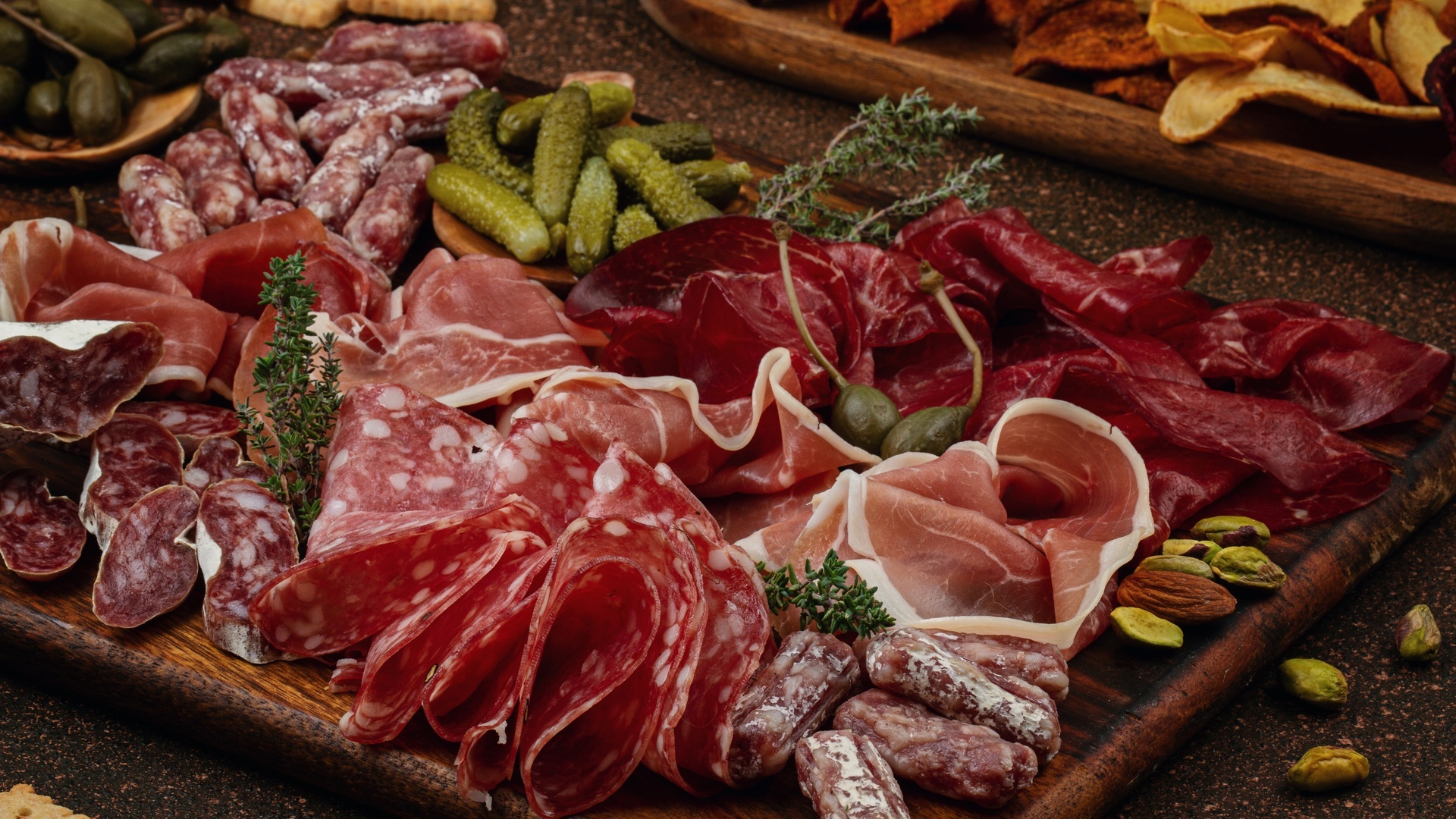
Cured and sliced meats usually anchor the board. Choose options that bring different flavors and textures without making the spread feel scattered. A thoughtful mix gives guests variety while keeping the board focused and easy to understand.
Common charcuterie options may include:
- Salami for a familiar savory bite
- Prosciutto for a delicate, salty layer
- Capicola for a richer flavor
- Soppressata for a firmer texture
- Smoked sausage for a heartier option
Thin meats can fold into soft ribbons, while firmer slices can sit in small stacks or loose fans. These small presentation choices add height and movement without requiring complicated plating.
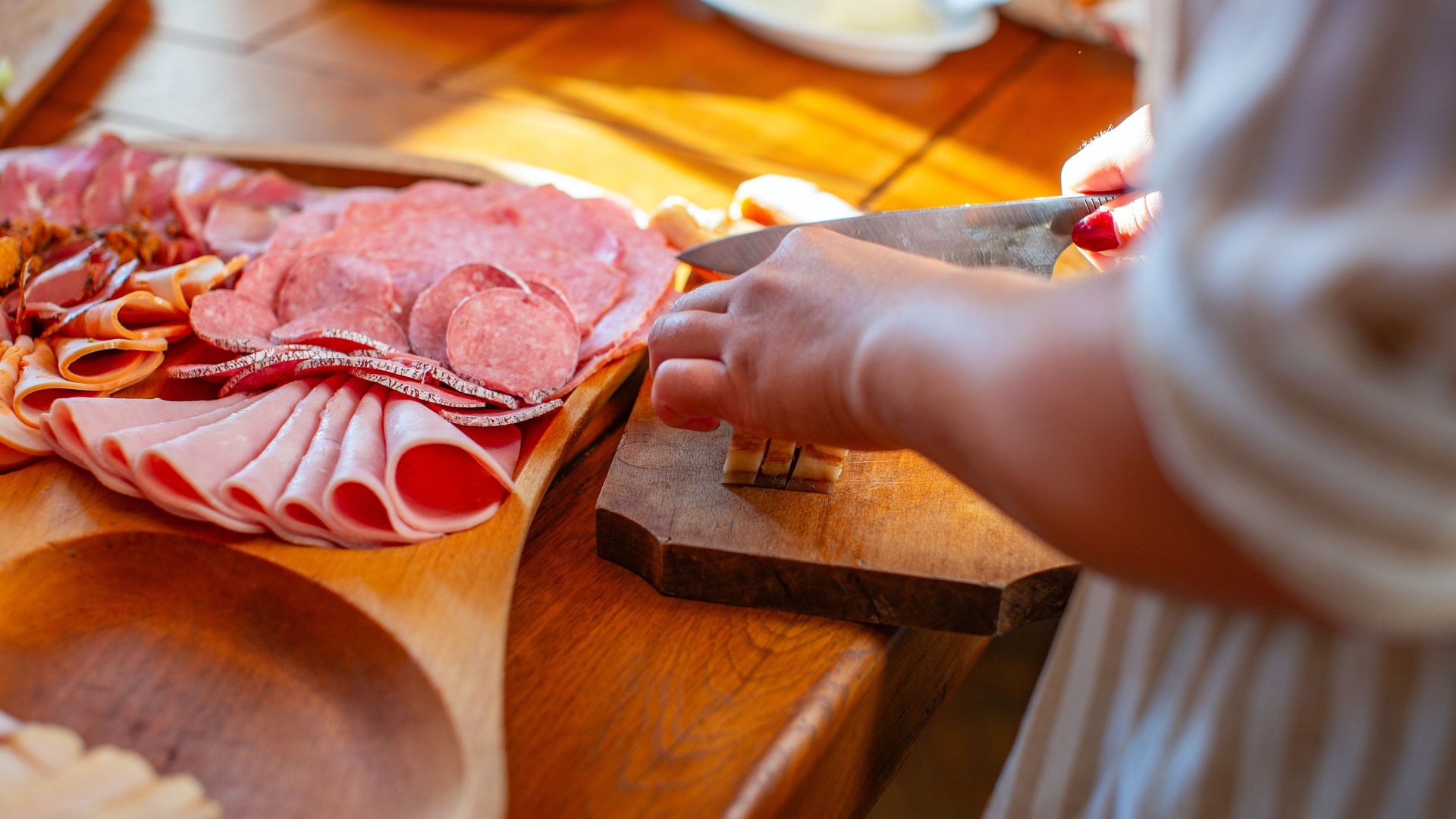
Consistency makes a major difference. Uneven slices can make the board look rushed, and overly thick pieces can be harder to enjoy in a shared setting. For higher-volume prep, a commercial meat cutting machine can help teams create clean, uniform slices that support portion control and a polished presentation.
Pair Cheeses With Intention
Cheese should work with the meats rather than compete with them. Choose a range that gives guests both mild and bold options. Add different textures so each bite feels a little different without overwhelming the board.
A balanced cheese selection may include:
- Soft cheese for spreading
- Firm cheese for slicing
- Sharp cheese for a stronger flavor
- Mild cheese for a broad appeal
Place cheeses in separate areas so guests can reach them without disturbing the entire board. Cut some pieces in advance to make serving easier, but leave enough shape and structure so the display still feels intentional. Small cubes or loose crumbles can both work when they suit the cheese.
The temperature affects the flavor, but food safety should still guide timing. Cheese often tastes better when it is not served straight from the cooler, but commercial kitchens need clear prep and service windows. Plan the timing so the quality and safety stay aligned with the presentation.
Add Fresh Produce and Accents
Fresh produce brings color and balance to a board built around rich meats and cheeses. Choose items that hold up well during service and do not release too much moisture. A few well-placed pops of color can make the entire board feel brighter.
Strong produce choices may include:
- Grapes for easy snacking
- Berries for rich color
- Figs for a seasonal feel
- Sliced apples for crisp texture
- Roasted peppers for a savory accent
Accents help fill gaps and add contrast. Keep wet items in small bowls or ramekins so they do not soften crackers or stain nearby ingredients. Dry additions can sit directly on the board when they will hold their texture through service.
Useful accents may include:
- Olives for a briny bite
- Pickles for acidity
- Nuts for crunch
- Honey for sweetness
- Crostini for structure
Spread color across the board instead of placing all bright items in one section. A cluster of grapes near one cheese and a small bowl of olives near the sliced meat can make the layout feel more connected. These details help the board look full without becoming cluttered.
Arrange the Board for Easy Service
A beautiful board still needs to be practical. Guests should be able to pick up each item without touching too many pieces or disturbing the arrangement. Small portions and clear groupings make the board more inviting.
Think about how guests will use the spread. A cocktail-hour board may need sturdy crackers and bite-sized pieces. A seated appetizer board can include more spreads, small utensils, and softer cheeses that need a slower pace.
Useful service details include:
- Small tongs for sliced meats
- Cheese knives for wedges
- Spoons for jams and mustards
- Labels for common allergens or strong flavors
Avoid overloading the surface just to make it look abundant. Crowding makes the board harder to serve neatly, especially when several guests reach for food at once. Leave enough room so each section stays visible and easy to access.
The essentials for creating the perfect charcuterie board also require you to think about the flow. Place popular items in more than one area when serving larger groups. This keeps guests from crowding one corner and helps the board look balanced throughout service.
Support Prep With the Right Equipment
Behind every polished board is a prep process that keeps ingredients consistent. Restaurants and catering teams need tools that support clean cuts, steady portions, and efficient production. When prep is organized, staff can build boards faster without sacrificing quality.
Meat slicers and refrigeration equipment both play a role. Sharp, well-maintained equipment helps reduce tearing and uneven cuts. Reliable refrigeration also helps keep meats, cheeses, and produce at safe holding temperatures before service.
Equipment choices should match your volume. A small café may only need dependable prep basics, while a catering kitchen may need higher-capacity equipment for repeated slicing and assembly. The goal is not to buy the largest machine available; it is to choose equipment that fits your workflow.
This is where expert advice you can trust becomes valuable. The right setup helps your team improve speed and consistency while protecting presentation. It also supports a smoother back-of-house process when orders increase or event schedules get tight.
Serve a Board That Feels Complete
A strong charcuterie board feels generous, balanced, and easy to enjoy. Start with a practical base and choose each ingredient with intention. Then arrange everything with service in mind. Those details help your team create a board that looks polished and functions well in a busy food service setting.
If your kitchen needs equipment that supports cleaner prep and more consistent presentation, Pro Restaurant Equipment can help. Browse our reliable commercial kitchen equipment online, compare options for your business, and get expert guidance backed by competitive pricing.