

May 12th 2026
How To Streamline the Process of Making Sourdough Bread
Sourdough bread has a loyal following, but producing it consistently in a commercial kitchen isn’t simple. Long fermentation times, careful handling, and labor-heavy steps can slow production when the workflow isn’t clearly defined. Knowing how to streamline the process of making sourdough bread helps you maintain quality while improving output.
With a structured approach from mixing through baking, your team can move with more purpose and less friction. When each stage flows into the next, you reduce delays and build a system that supports steady growth.
Standardize Your Sourdough Preparation Workflow
Consistency starts with a repeatable process. Without clear steps, staff may approach dough differently from one batch to the next, leading to uneven results and lost time. A standardized workflow keeps production steady and predictable.
Document each stage of production, from feeding your starter to baking the final loaves. Clear instructions keep your team aligned and reduce variation. When everyone follows the same process, maintaining quality becomes far more manageable.
Break production into defined stages so tasks stay organized. This structure helps your team stay focused throughout the day. It also makes it easier to spot slow points and correct them before they affect output.
A simple production flow might look like this:
- Prepare and feed the starter at scheduled times.
- Mix the dough in controlled batches.
- Bulk ferment with monitored timing.
- Shape, proof, and bake in planned cycles.
When each step is scheduled and repeatable, your team avoids bottlenecks and keeps production moving. This level of consistency also makes training easier and supports growth as demand increases.
Optimize Your Dough Mixing Process
Mixing plays a major role in sourdough quality. Inconsistent mixing affects gluten development and hydration, which directly impacts structure and texture. Improving this step saves time and leads to more reliable results.
Using an industrial dough mixer allows you to produce larger batches with consistent performance. Instead of relying on manual effort, you gain better control over dough development while reducing strain on your staff.
The mixer type also affects your workflow. Spiral mixers are often preferred for bread dough because they handle high hydration levels while developing gluten gently. Planetary mixers offer more flexibility for kitchens that produce a range of items, though they may require closer attention with sourdough.
Batch size matters just as much as mixer type. Running batches that are too small wastes time, while overloading equipment can affect dough quality. Matching your mixer capacity to your daily output keeps production efficient and consistent.
Control Your Fermentation Process
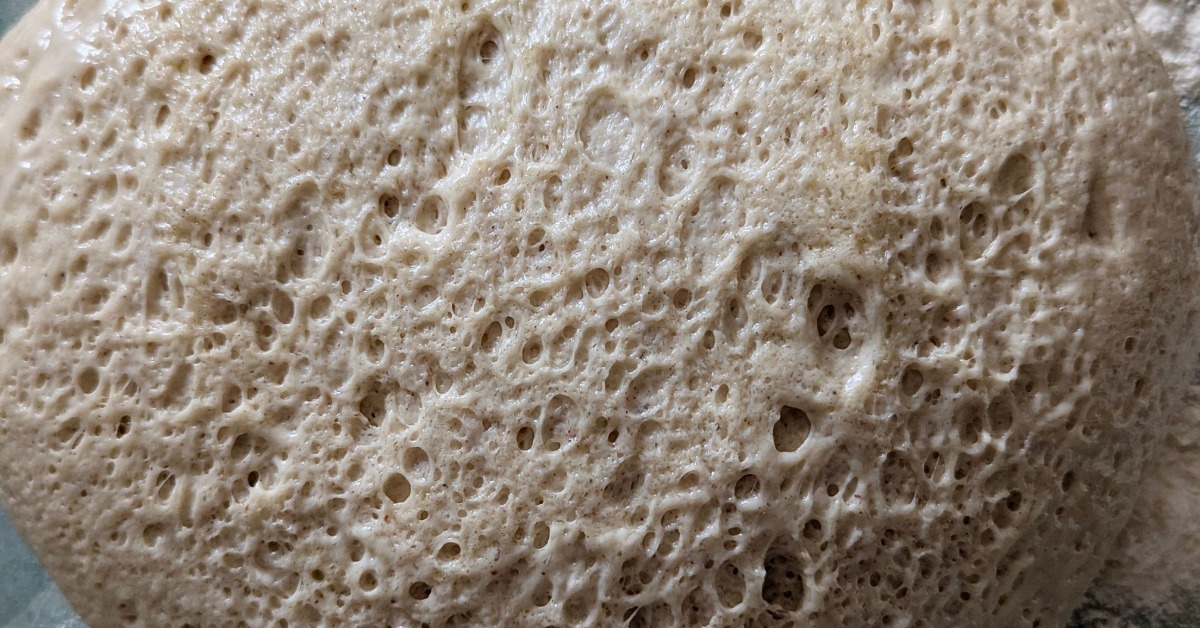
Fermentation is where sourdough develops its signature flavor, but it can also slow production when not managed carefully. Small shifts in temperature or timing can throw off your entire schedule. A controlled approach keeps things on track.
Set a clear fermentation timeline based on your environment and production goals. Monitor conditions and adjust when needed. Consistency here reduces the need for last-minute corrections later in the process.
Many bakeries use a mix of room-temperature fermentation and cold storage to stay flexible. Slowing fermentation in a cooler allows you to hold dough overnight and bake on a predictable schedule. This approach helps balance production with staffing and demand.
Your kitchen setup also matters. Dedicated proofing space or controlled environments make it easier to maintain stable conditions. When fermentation is predictable, everything else runs more smoothly.
Improve Your Dough Handling Techniques
Handling sourdough requires care, but it shouldn’t slow your operation. Efficient techniques help maintain structure while keeping production moving. Training and consistency make the biggest difference here.
Make sure your team uses the same shaping methods for every batch. This creates uniform loaves and supports even baking. When shaping stays consistent, your final product meets expectations more reliably.
Timing also plays a role. Allowing dough to rest between steps—often called a bench rest—helps relax the gluten and makes shaping easier. Skipping this step can slow your team down and lead to inconsistent results.
Keep workstations clean and organized to reduce unnecessary movement. Tools like dough scrapers, proofing baskets, and scales should always be within reach. A well-set station keeps your team moving at a steady pace.
Streamline Your Baking Workflow
The baking stage can quickly become a bottleneck without proper planning. Inefficient oven use limits output and slows the entire process. A structured baking schedule keeps production moving.
Plan your batches so ovens stay in use throughout the day. Staggering loads helps maintain a steady flow without creating downtime. This approach keeps your team productive during busy periods.
The type of oven you use also affects results. Deck ovens are often preferred for artisan bread because they support strong crust development. Convection ovens can help maintain consistency when baking multiple batches back-to-back.
Loading technique matters as well. Avoid overcrowding, as it can affect airflow and lead to uneven baking. Consistent spacing and timing help ensure every loaf finishes with the same quality.
Maintain Your Equipment Consistently
Reliable equipment is essential for efficient production. Breakdowns and performance issues can disrupt your schedule and slow your team. A proactive approach helps prevent those problems.
Create a regular maintenance routine for all major equipment. Cleaning and inspections should be built into your workflow. Staying ahead of wear keeps everything running as expected.
When equipment performs consistently, your team can stay focused on production instead of troubleshooting. That stability supports both efficiency and product quality over time.
Plan Your Production To Reduce Waste
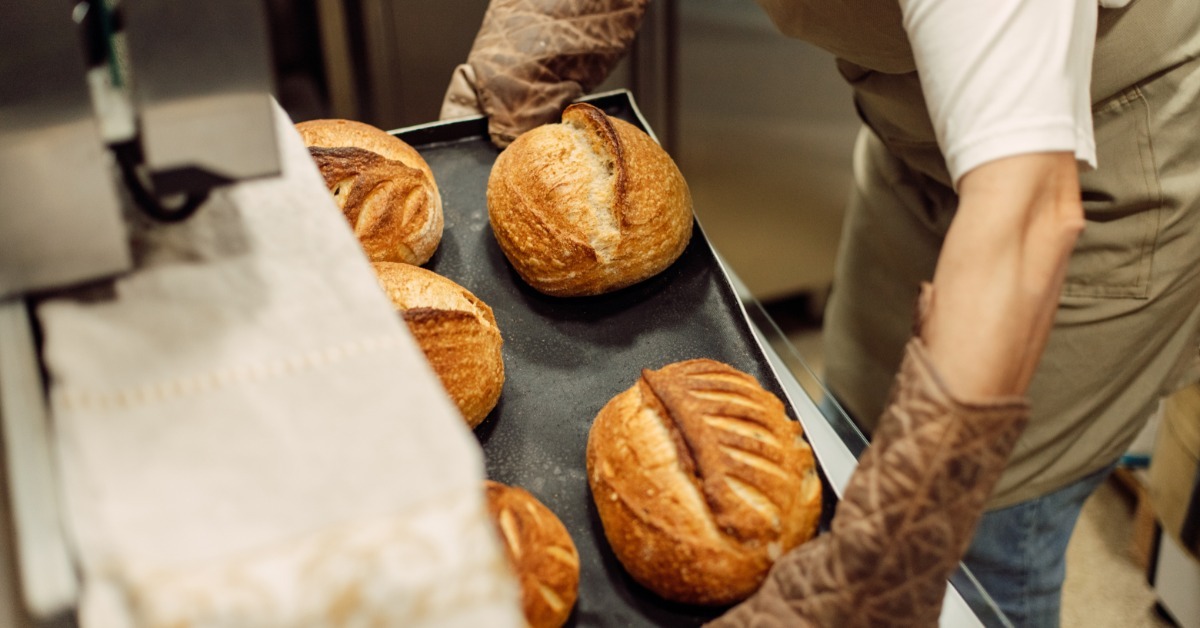
Efficiency is not just about speed; it’s also about reducing waste. Producing too much sourdough cuts into margins, while producing too little can impact service. Balanced planning keeps your operation steady.
Use past sales patterns to estimate daily production needs. Adjust batches based on demand so you avoid unnecessary surplus. This approach helps protect both inventory and profit.
Map out your production schedule so each stage connects logically. Mixing, fermentation, and baking should flow without long gaps. When timing is aligned, your team avoids both rush periods and idle time.
Staggering batches throughout the day can also help. Instead of producing everything at once, a steady output keeps equipment in use and reduces pressure on your staff.
Build a More Efficient Sourdough Operation
Streamlining sourdough production takes time, but the payoff is clear. A well-organized process improves consistency, reduces strain on your team, and helps you keep up with demand. Over time, these changes create a more dependable operation.
If you’re ready to improve your bakery workflow, Pro Restaurant Equipment offers expert advice you can trust and a wide selection of commercial equipment. From high-performance mixers to reliable baking solutions, you’ll find options that support efficiency and consistency. Explore your options today and equip your kitchen for better sourdough production.