
Sep 28th 2026
Mastering the Essential Art of Bread Proofing
A batch of bread can leave the mixer looking strong and still fall short in the oven. Dough that goes in too early may bake up tight and undersized, while dough that waits too long can lose the structure it needs to rise properly. Mastering the essential art of bread proofing means creating the right conditions and knowing when the dough is ready.
For a bakery, that judgment has to work across more than one loaf. A repeatable proofing process helps the team keep batches moving toward the oven without sacrificing the texture and appearance customers expect.
How Does Bread Proofing Work?
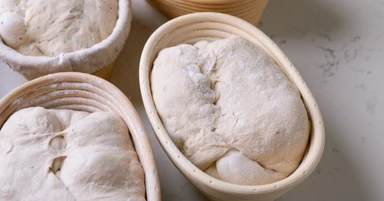
Proofing is the rise that happens after yeast dough has been shaped and before it is baked. During fermentation, yeast produces carbon dioxide. The dough’s gluten structure traps that gas, so the loaf or roll expands before baking.
Humidity has a different job. Moist air helps keep the dough's exposed surface from drying while it expands. If a skin forms, the dough may struggle to stretch evenly, which can affect the finished bread.
That is why proofing involves more than setting a timer and walking away. Two batches made from the same formula can develop at different rates if one starts warmer or spends more time on the bench. The goal is to give each batch enough time to reach the condition your formula calls for before baking.
How Do Temperature and Humidity Affect Proofing?
Temperature controls the pace of yeast activity. Warmer conditions generally speed up fermentation, while cooler conditions slow it down. A faster rise is not always better, so match the proofing temperature to the dough.
Humidity has a different job. Moist air helps keep the exposed surface of the dough from drying while it expands. If a skin forms, the dough may have a harder time stretching evenly, which can affect the finished bread.
There is no single setting that works for every product. A soft roll may follow a different process from a crusty loaf, and enriched dough can behave differently from a lean formula. Follow the recipe and equipment manufacturer’s guidance, then document the settings that consistently give your bakery the result it wants.
How Can You Tell When Dough Is Properly Proofed?
Production schedules need estimated proofing times, but the clock should not make the final decision. Dough may reach the proofing stage at a slightly different temperature from one batch to the next. Staff should know what properly proofed dough looks like for each product so they can judge the dough along with the time.
Useful signs to watch include:
- The dough has expanded to the expected size.
- The surface stays smooth and flexible instead of drying out.
- Shaped pieces look relaxed rather than tight or undeveloped.
- The dough still has enough structure to hold its intended form.
Underproofed dough has not developed enough before baking. It may produce a loaf with less volume and a tighter crumb than intended. Overproofed dough has moved beyond its ideal stage, weakening the structure and making it more likely to lose volume.
How Can You Reduce Common Proofing Problems?
A proofing problem often starts before the dough reaches the proofer. If one batch leaves the mixer much warmer than the next, their fermentation rates may not line up even when both follow the same schedule. Consistent ingredient preparation and mixing procedures give the team a more predictable starting point.
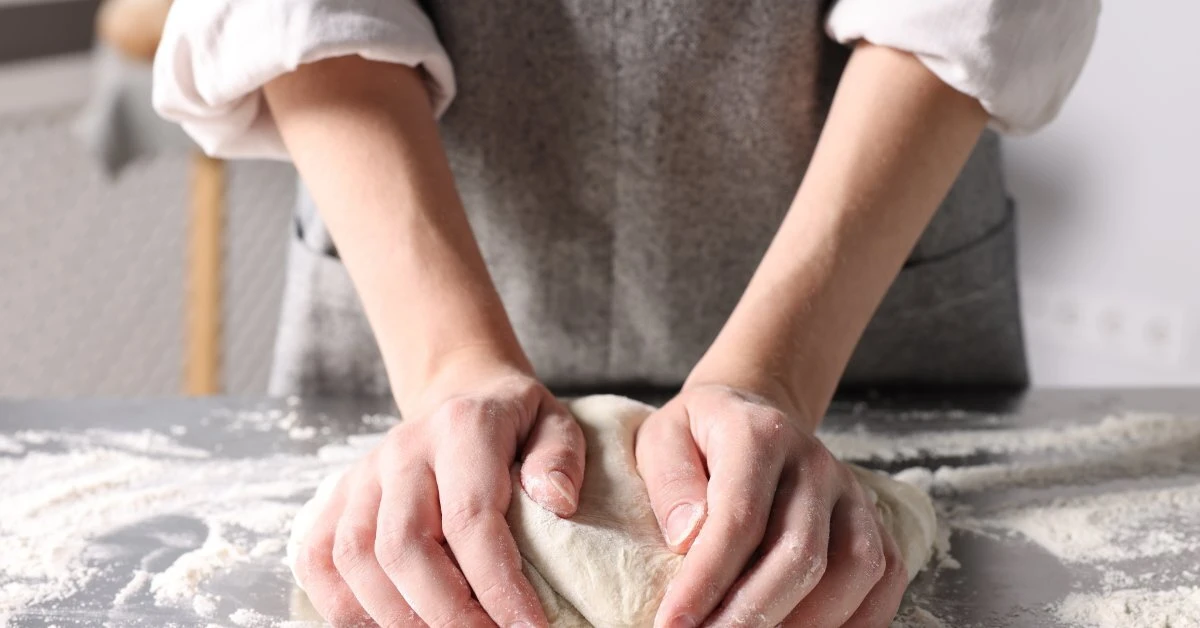
Handling between mixing and proofing matters too. Dough that sits exposed in a dry area can develop a skin before the final rise begins. Unplanned delays during shaping can also change how far fermentation has progressed by the time the dough reaches its final proof.
The oven schedule is another part of the equation. Dough that is ready to bake should not have to wait because the oven is still full. Work backward from oven capacity so each production stage feeds the next at a pace the baking line can handle.
When a batch misses the target, record what changed rather than adjusting several things at once. That makes the next correction clearer and keeps the process from turning into guesswork.
How Can Equipment Support More Consistent Proofing?
Room-temperature proofing can work, but commercial production becomes harder to control when kitchen conditions shift. A commercial proofer creates a more controlled environment by managing heat and, depending on the equipment, humidity. That can make the timing between shaping and baking more predictable.
Capacity matters too. If the proofer cannot hold enough product to keep pace with shaping, dough may start waiting for space. If the oven cannot accept the proofed product quickly enough, the bottleneck simply moves farther down the line.
The proofer should fit your pans or racks and the production area. Check utility requirements and cleaning access before choosing a unit.
The equipment used earlier in the process can affect the final rise as well. For products that need dough rolled to a controlled thickness, a dough sheeter can make that step more repeatable before cutting or shaping. Some doughs need another proof after sheeting and forming, so build that rise into the production schedule.
How Can You Standardize Proofing Across Batches?
Mastering bread proofing in a commercial bakery means turning good results into a process the whole team can repeat. An experienced baker may read a batch by instinct, but production becomes more dependable when those observations are written down. Clear standards also give newer employees something more useful than a vague instruction to “let it rise.”
Start with a simple production record. Note the dough temperature after mixing and the proofing conditions used for the batch. Add the approximate proofing time, then compare those details with the baked result.
These records become especially useful when seasonal conditions change or a recurring problem appears. If several batches begin taking longer than expected, the team has something concrete to compare instead of relying on memory.
Keep standards specific to the product. Sandwich bread and dinner rolls should not be judged by the same visual target simply because both contain yeast. The purpose is to make each product repeatable, not to force every dough through an identical routine.
How Can Better Proofing Strengthen Your Baking Process?
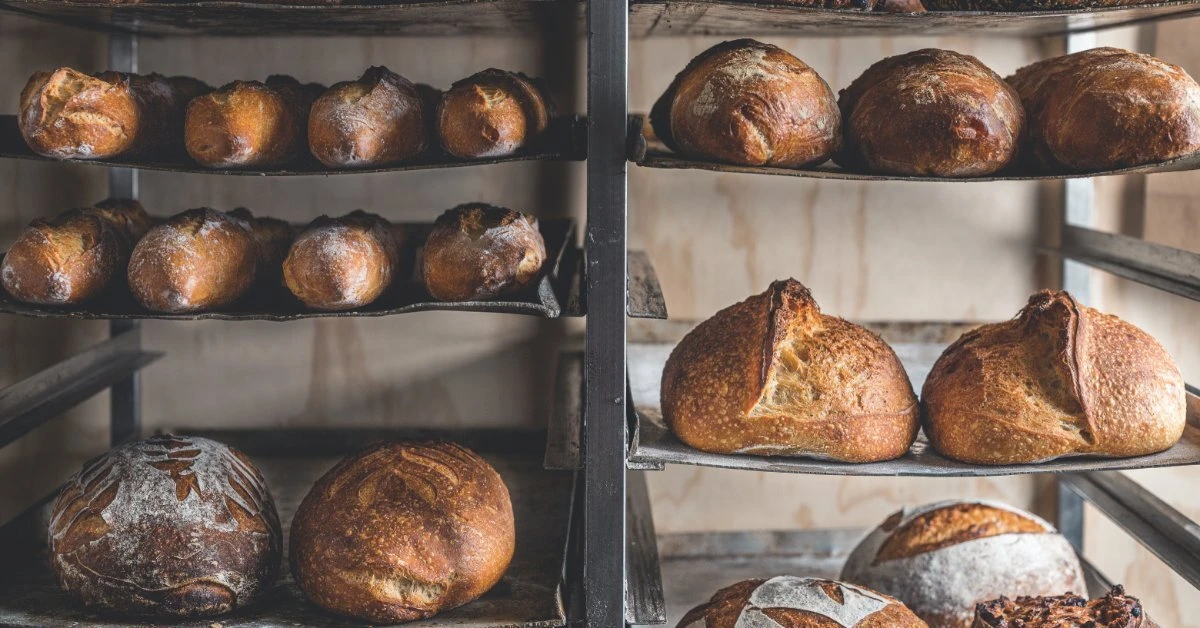
Proofing connects careful dough preparation with the heat of the oven, and getting that stage right can make production easier to manage. When your team controls the environment and recognizes properly developed dough, batches can move through the bakery with fewer surprises. Matching proofing pace to oven capacity also helps keep finished dough from sitting longer than planned.
If you are comparing proofing and dough-prep equipment, Pro Restaurant Equipment offers name-brand commercial bakery equipment at competitive warehouse pricing. Our team can also help you compare options based on your production volume and workflow. Browse our bakery equipment selection or contact one of our team members for help choosing equipment that fits your bakery.