
Nov 19th 2026
Reducing Dough Waste in High-Volume Bakeries
High-volume bakeries handle large quantities of dough every day, making even small production mistakes costly. Excess scraps, inconsistent portions, and poorly planned batches can quickly increase ingredient expenses. Without proper controls, these losses add up and affect profitability. A few practical changes to daily operations can help bakeries use ingredients more efficiently without sacrificing product quality.
How Can Better Production Planning Reduce Waste?
Accurate production planning starts with understanding customer demand. Review previous sales records to identify popular products and determine how much dough each production shift requires. Adjust batch sizes based on seasonal demand and upcoming orders rather than relying on fixed quantities.
Standardized recipes also help bakers avoid unnecessary leftovers. Measure ingredients carefully and establish consistent mixing procedures so each batch produces predictable results.
Why Does Consistent Dough Handling Matter?
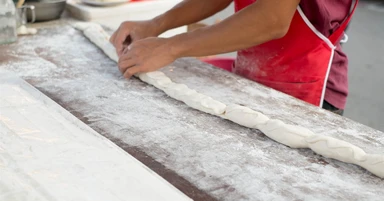
Inconsistent dough thickness and uneven cutting create scraps that reduce the amount of usable product. These problems become especially costly when employees prepare hundreds of pastries during a single shift. A commercial dough sheeter machine helps bakers roll dough to a uniform thickness, improving consistency across production runs. Properly adjusted equipment can also reduce excessive trimming and help employees produce more uniform portions.
What Practices Help Minimize Dough Scraps?
Even experienced bakery teams generate scraps during shaping and cutting. However, reducing dough waste in high-volume bakeries starts with thoughtful preparation and better use of each batch. Consider incorporating these practices into daily production:
- Arrange cuts strategically: Position pastry cutters close together to minimize unused dough between shapes.
- Monitor portion sizes: Use scales or portioning tools to maintain consistent product weights.
- Handle scraps carefully: Reuse suitable dough trimmings when the recipe and food safety requirements allow.
- Train employees consistently: Establish clear procedures for rolling and cutting dough to prevent avoidable mistakes.
These adjustments help bakeries maintain consistent product sizes and reduce ingredient losses throughout production.
How Does Proper Dough Storage Prevent Waste?
Improper storage can cause dough to dry out or ferment beyond the desired stage, leaving bakers with unusable batches. Keep dough in suitable covered containers and follow recipe-specific refrigeration requirements to maintain quality.
Label batches with preparation dates and organize inventory so employees use older dough first, within its safe and usable lifespan. Consistent storage practices reduce dough waste in high-volume bakeries by preventing unnecessary spoilage before production begins.
How Can Bakeries Improve Long-Term Efficiency?
Reducing waste requires ongoing attention to production habits and equipment performance. Track discarded dough regularly to identify recurring problems, then adjust preparation methods based on those findings. Routine equipment maintenance also helps prevent inconsistent results that lead to unnecessary waste.
For bakeries looking to improve production efficiency, Pro Restaurant Equipment offers name-brand commercial bakery equipment at competitive warehouse pricing. Explore our selection of dough sheeters and other bakery equipment or contact our team for expert guidance on choosing the right solution for your operation.