
Aug 26th 2026
The Complete Guide to Tortillas: Sizes and Types
Tortillas may look simple, but the wrong choice can make a well-planned dish awkward to serve. A small corn tortilla may be ideal for a street taco, while a large flour tortilla gives a burrito enough room for secure folds. Understanding tortilla sizes and types helps restaurant operators match each option to the filling, cooking method, and service format. It also makes portioning and equipment decisions easier when tortillas are produced in-house.
How Do Tortilla Ingredients Affect the Final Dish?
The first choice is usually between corn and flour tortillas. Each brings a different flavor, texture, and level of flexibility, so they are not always interchangeable. The tortilla should complement the filling while providing enough structure for cooking and plating.
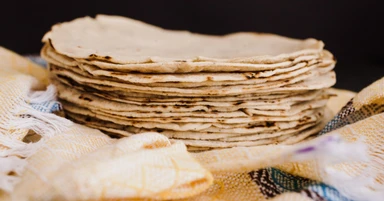
Corn tortillas begin with masa, a dough made from corn that has undergone a traditional alkaline treatment. That process develops the familiar corn flavor and helps create a tortilla that softens when warmed. Restaurants commonly use corn tortillas for tacos, enchiladas, tostadas, and tortilla chips.
Because corn tortillas can dry out and crack, they need careful warming and holding. Keeping them covered helps preserve moisture and flexibility. Some restaurants use two tortillas for tacos with especially juicy fillings, though the right approach depends on the tortilla’s thickness and the portion size.
Flour tortillas usually have a softer texture and more stretch. That flexibility makes them useful for burritos, quesadillas, fajitas, and handheld wraps. Specialty varieties can broaden a menu, but operators should verify product labels before making dietary or allergen claims.
How Do Tortilla Sizes Match Menu Applications?
Tortilla size is generally measured by diameter. Even a small difference can change how much filling fits inside and whether the finished item folds cleanly. The usable surface is smaller than the full diameter because part of the tortilla must remain clear for rolling or sealing.
Common tortilla sizes include:
- 4- to 5-inch tortillas for appetizer tacos, tasting portions, and small handheld items
- 6-inch tortillas for street-style tacos, enchiladas, and individual tostadas
- 8-inch tortillas for breakfast burritos, larger tacos, and compact quesadillas
- 10-inch tortillas for standard burritos, wraps, and full-size quesadillas
- 12-inch tortillas for large burritos and generously filled entrée wraps
- Tortillas larger than 12 inches for oversized burritos and specialty presentations
Testing matters more than relying on the size printed on a package. Two tortillas with the same diameter can perform differently when one is thicker or less flexible. Build the actual menu item, hold it for the expected service time, and check whether it stays closed without tearing.
How Do Tortilla Types Support Different Dishes?
Tacos benefit from smaller tortillas that are easy to hold and quick to fill. Corn tortillas add a noticeable flavor that pairs well with many grilled or braised proteins. Flour tortillas may be the better fit when the filling is larger, or the restaurant wants a softer bite.
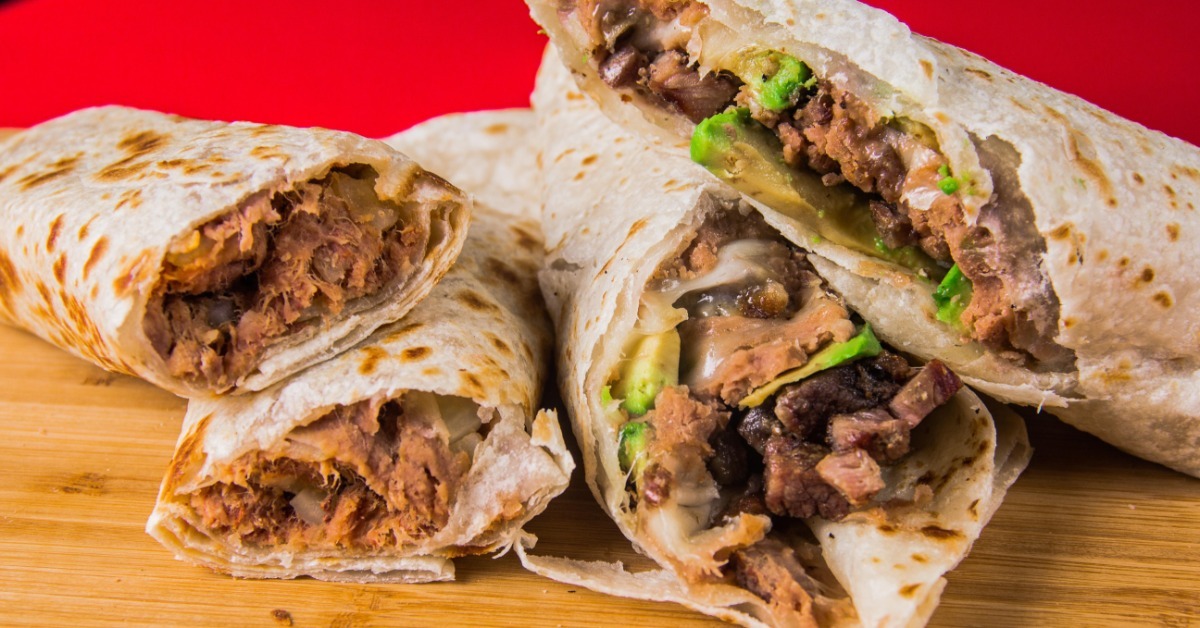
Burritos put more strain on the tortilla because the filling must be enclosed on every side. A warm flour tortilla usually offers the flexibility needed to fold around the ingredients. The kitchen should also test whether the burrito stays secure after wrapping or resting in takeout packaging.
Quesadillas need a tortilla that fits the cooking surface and supports an even layer of filling. A tortilla that is too large may cook unevenly or hang over the edge of the griddle. One that is too small can crowd the ingredients and make portion control difficult.
Enchiladas and tostadas create different demands. Enchiladas need tortillas that roll without splitting and fit neatly in the serving dish. Tostadas need a crisp base with enough strength to support toppings without becoming awkward to bite.
How Do Thickness and Texture Change Performance?
Diameter is only part of the decision. Thickness affects flexibility, cooking time, and the balance between the tortilla and its filling. A thin tortilla folds easily, while a thicker one delivers a chewier bite and may support heavier ingredients.
The texture also changes during cooking and holding. A tortilla that feels pliable at the prep station can become brittle if it sits uncovered. One that traps too much steam may turn soggy, especially inside takeout packaging.
Restaurants should test tortillas under normal service conditions. Pair them with the intended fillings and sauces, then check them again after the usual pickup or delivery window. That simple trial can reveal problems that are easy to miss when the tortilla is sampled on its own.
A complete look at tortilla sizes and types should include how each option behaves after assembly. Flavor matters, but dependable performance keeps portions consistent and reduces remakes. That reliability becomes especially important when orders stack up during a rush.
How Do Restaurants Plan In-House Tortilla Production?
Making tortillas in-house can give a restaurant more control over diameter, thickness, and production timing. But it also adds preparation, cooking, holding, and cleaning tasks to the workflow. Operators should consider whether the kitchen has enough labor and space before adding fresh production.
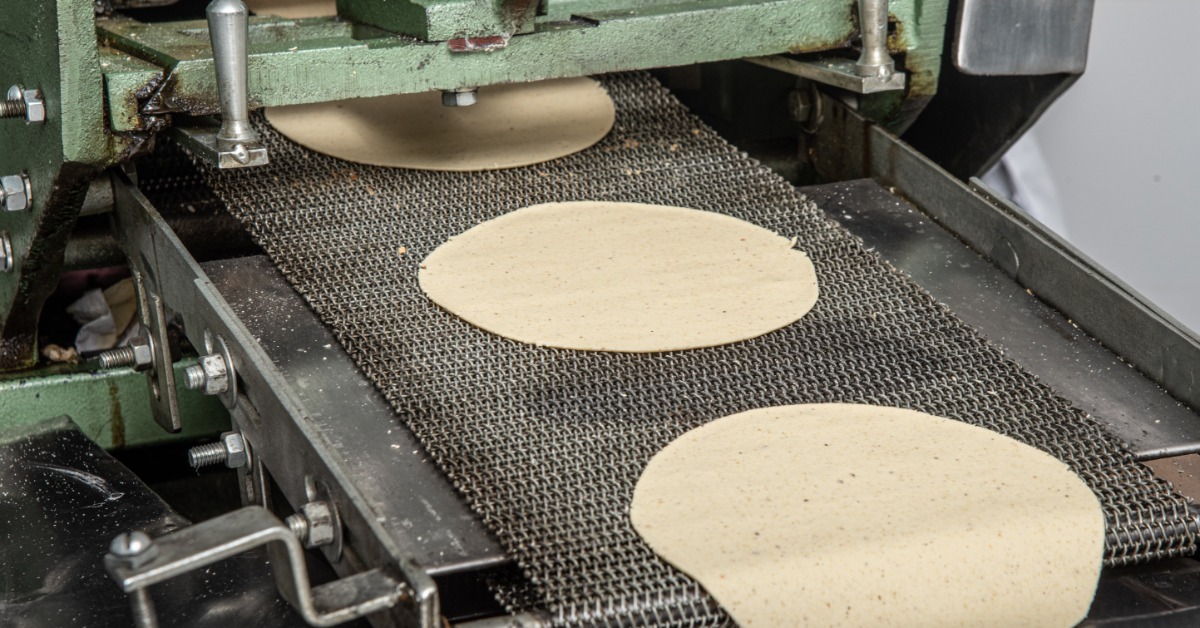
A tortilla maker machine can reduce repetitive manual work and help each tortilla come out closer to the intended size. Equipment capabilities vary, so restaurants should confirm whether a model is designed for corn dough, flour dough, or both. Some machines only press tortillas, while others support additional production steps.
The capacity should reflect peak demand rather than an average day alone. A machine that keeps up during prep but falls behind during service can create a bottleneck. Oversized equipment may also take up valuable space without delivering a practical return.
How Do Restaurants Maintain Consistent Tortilla Quality?
Consistency starts before the tortilla reaches the press or cooking surface. Dough hydration and portion weight should follow a repeatable standard. Small variations can change the finished size, thickness, and flexibility.
Cooking procedures also need clear controls. Staff should use consistent heat settings and follow established cooking times for each tortilla type. Written standards help prevent one batch from becoming dry while the next remains undercooked.
Warm holding should keep tortillas pliable without trapping too much moisture. Covered containers can help, but holding time still needs limits. Production schedules should follow expected demand, so the kitchen can serve fresh tortillas without creating unnecessary waste.
Choose Tortillas That Fit the Menu
The best tortilla supports the filling, cooking method, and way the customer will eat the dish. Corn, flour, and specialty tortillas each bring different strengths, while the diameter and thickness determine how well the finished item holds together. Testing the full recipe under normal service conditions is the clearest way to make the right choice.
Pro Restaurant Equipment offers commercial tortilla presses and production equipment for foodservice kitchens. Browse our available selection or contact a team member for expert help comparing capacity and production needs. Our expert advice makes it easier to choose equipment that keeps tortilla preparation consistent and efficient.